
What Makes Metal Labels a Reliable Choice for Modern Product Identification?
2025-11-17
Metal labels serve as durable identification solutions designed for industries that require long-lasting branding, traceability, compliance marking, and aesthetic differentiation. These labels are widely used across manufacturing, electronics, machinery, automobiles, luxury goods, and outdoor equipment. Their foundation lies in the reliability of metals such as aluminum, stainless steel, brass, and copper—materials known for their resistance to corrosion, extreme temperatures, UV exposure, abrasion, and harsh environmental conditions. Because product identification standards are becoming stricter across global markets, businesses increasingly look for solutions that merge durability, precision, and visual appeal. Metal labels meet these expectations by offering structural strength, high-resolution engraving, and long service life, creating a stable bridge between product identity and long-term brand consistency.
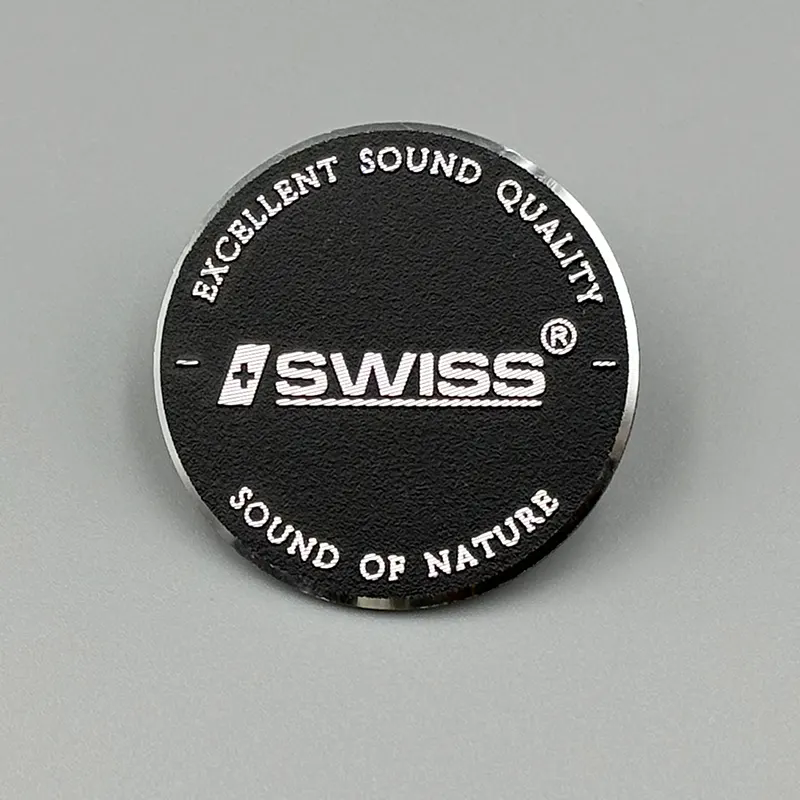
Understanding how metal labels contribute to brand perception is essential for companies that prioritize long-term credibility. Products with fading or damaged labels tend to lose professional value, while metal labels retain clarity even after years of use. This ability to remain legible makes them a preferred solution for equipment that undergoes heavy use, exposure to chemicals, or demanding outdoor conditions. Metal labels also support compliance by carrying serial codes, model details, safety warnings, and certification marks. When these details remain visible over time, manufacturers reduce the risk of operational errors, improve traceability, and maintain regulatory alignment.
Metal labels cover a broad range of production techniques, including laser engraving, etching, stamping, embossing, anodizing, dye sublimation, CNC machining, and screen printing. These production methods determine the visual style, tactile feel, and durability of the final label. Depending on the application requirements, labels can be designed to be extremely thin for delicate installations or thick and rigid for heavy industrial machinery. The flexibility of metal as a material allows for various shapes, textures, and surface effects, creating a professional appearance suited to modern design standards.
To present product specifications clearly, the following table outlines key parameters commonly associated with high-quality metal labels:
Metal Label Product Parameters
| Parameter | Specification Details |
|---|---|
| Material Options | Aluminum, Stainless Steel, Brass, Copper, Zinc Alloy |
| Thickness Range | 0.1 mm – 3.0 mm depending on application |
| Production Methods | Laser Engraving, Etching, Embossing, Stamping, Anodizing |
| Surface Finish | Brushed, Polished, Matte, Anodized, Painted, Electroplated |
| Temperature Resistance | -40°C to 300°C depending on metal type |
| Corrosion Resistance | High resistance to chemicals, moisture, UV exposure |
| Color Options | Silver, Gold, Black, Bronze, Custom Pantone Colors |
| Mounting Methods | Adhesive Backing, Rivet Holes, Screws, Welding |
| Custom Shape | Available via CNC cutting, stamping, or molding |
| Service Life | 5–20+ years based on environmental exposure |
By integrating these parameters into product planning, businesses can achieve lasting identification that supports product safety, brand positioning, and long-term market recognition. A metal label is not merely a decorative accessory; it plays a functional role in communication, traceability, quality assurance, and operational management. With growing industrial expectations, the demand for robust labeling solutions continues to rise, making metal labels a key component in product lifecycle strategies.
Why Are Metal Labels Preferred for Long-Term Industrial and Commercial Applications?
Metal labels stand out because they maintain structural stability and visual clarity even after extended exposure to environments where plastic or paper labels fail. Their strength is derived from the inherent properties of metals, offering resistance to scratches, chemicals, oils, fuels, and UV rays. These capabilities make metal labels indispensable for equipment that operates outdoors, underwater, or in high-temperature manufacturing settings.
From an industrial perspective, reliability is the core driver behind the choice of metal labels. Factories, workshops, construction sites, marine vessels, and electrical systems depend on labels that remain intact under stress. When labels fade or deteriorate, safety information becomes unreadable, leading to operational risks. Metal labels eliminate these issues by providing long-term clarity. This reliability is essential in sectors such as aerospace, automotive manufacturing, industrial machinery, medical equipment, military technology, and logistics.
Metal labels also enhance product aesthetics. A polished or brushed metal finish elevates the visual presence of consumer goods, making them appear premium and well-crafted. This combination of functionality and branding appeal enables manufacturers to reinforce product identity in competitive markets. Consumers often associate metal labels with quality and durability, which strengthens brand trust and influences purchasing decisions.
Another advantage lies in precision manufacturing. Laser-engraved and etched details remain sharp and permanent, supporting serial tracking and anti-counterfeit requirements. Businesses can embed QR codes, barcodes, safety icons, serial numbers, or compliance marks without fear of fading. By enabling high-accuracy marking, metal labels align with modern digital tracking systems used in global supply chains.
Metal labels offer superior flexibility in design customization. Manufacturers can tailor edges, textures, fonts, and coatings to match brand aesthetics or industry standards. Embossed or debossed effects add depth to the label surface, reflecting a visually appealing and tactile identity that is difficult to replicate using non-metal materials.
From a long-term maintenance perspective, metal labels reduce replacement costs. Plastic labels may need frequent replacement due to peeling, cracking, or discoloration. Metal labels, however, preserve their appearance for years, making them a cost-efficient solution over the product’s lifespan. For companies with large equipment fleets or large-scale manufacturing operations, minimizing downtime and maintenance expenses is critical. Metal labels directly support these operational goals.
Metal labels also align with environmental expectations. Many metal materials are recyclable, reducing waste and supporting sustainable business practices. Companies aiming for eco-friendly branding can incorporate metal labels as part of their sustainability messaging, reinforcing responsible manufacturing.
How Do Metal Labels Adapt to Technological Advancements and Future Market Trends?
As industries evolve, metal labels must adapt to new technological demands, compliance requirements, and aesthetic trends. Several future-oriented developments influence the direction of metal label manufacturing and application:
Smart Manufacturing Integration
Metal labels are increasingly being paired with digital tracking technologies such as RFID chips, NFC tags, micro-engraved serial codes, and scannable data. These enhancements improve traceability across supply chains, allowing manufacturers to track inventory, monitor lifecycle data, and prevent counterfeit goods. Metal labels offer the ideal protective structure for these embedded technologies because they shield internal components from environmental damage.
High-Precision Digital Engraving
Advances in laser technology allow for faster, deeper, and more detailed engraving. Ultra-fine markings can include micro-text, patterns, or codes that support high-security applications. Industries such as aerospace and defense already rely on these ultra-precise labels to ensure compliance with international regulations.
Growth in Custom Aesthetic Finishes
Branding continues to evolve with trends in luxury, minimalism, and industrial design. Metal labels now incorporate customized colors, matte or gloss finishes, gradient effects, intricate textures, and three-dimensional elements. These upgrades enhance consumer appeal while maintaining durability.
Improved Environmental Resistance
Manufacturers develop coatings and treatments that resist harsher acids, chemicals, extreme heat, or high-salt environments. This development expands the use of metal labels in marine, mining, and chemical processing industries.
Sustainability and Recycling Focus
As environmental responsibility gains importance, companies are shifting toward recyclable materials and eco-efficient production methods. Metal labels fit well into this movement because metals can be reused repeatedly without degrading their structural integrity.
Industry Regulations and Global Standards
Many industries are tightening identification requirements for traceability and safety. Metal labels help companies meet ISO, UL, CE, RoHS, and other regulatory standards by providing permanent, readable, and compliant product markings.
Automation-Friendly Manufacturing
Modern production lines increasingly use automation for cutting, engraving, and finishing metal labels. This shift increases precision and reduces variability, resulting in consistently high-quality labels that meet global market expectations.
How Can Businesses Choose the Right Metal Label and What Key Questions Should Be Considered?
Selecting the right metal label requires evaluating environmental exposure, durability needs, branding expectations, and installation methods. Businesses should consider several factors when determining the ideal specification:
Environmental Exposure
Labels used outdoors require UV-resistant coatings, corrosion-proof materials, and stable color finishes. Labels installed near heat sources or machinery should withstand high temperatures without warping.
Required Durability
Industrial machinery may require 1.5–3.0 mm thick labels for strong impact resistance, while electronics may require thin, lightweight labels for delicate installation.
Branding Objectives
Brushed aluminum creates a modern aesthetic, while engraved steel offers a rugged, industrial feel. The chosen material and finish should align with brand positioning.
Mounting Method
Adhesive backing works for smooth surfaces, while riveted or screwed labels offer secure attachment for machinery and outdoor equipment.
Information Density
Labels carrying diagrams, serials, QR codes, or technical specifications require high-precision engraving or printing.
Common FAQs
Q: What is the best metal type for labels used in high-temperature environments?
A: Stainless steel is commonly preferred due to its exceptional heat resistance, structural stability, and corrosion protection, making it suitable for machinery, engines, and industrial equipment exposed to extreme temperatures.
Q: How long can a metal label last under outdoor conditions?
A: A high-quality metal label can last 10 to 20 years or more outdoors, depending on the metal type, coating, and environmental exposure. Proper surface treatment enhances protection against UV rays, moisture, and abrasion.
Metal labels remain a crucial component of product identity, industrial compliance, and long-term brand reliability. Their durability, precision, customizability, and aesthetic value provide strong advantages across multiple industries. As demand for high-quality identification solutions continues to grow, metal labels will play an increasingly important role in manufacturing, safety communication, and brand development. Businesses seeking premium, long-lasting labeling solutions can benefit from exploring materials, finishes, production methods, and customization options tailored to their operational needs.
For enterprises looking for reliable and professionally engineered metal labels, Tangwu offers high-quality solutions designed to support durability, branding, and compliance requirements across global markets. Contact Us to learn more about customization options, technical support, and available product specifications.