

How to Choose the Right Printed PP Cup for Your Business?
2025-12-24
Article Summary: Printed PP Cups have become an essential packaging solution in the food and beverage industry. This article explores the types, applications, specifications, and common questions surrounding Printed PP Cups. It provides detailed guidance on selecting and using these cups effectively, ensuring durability, aesthetics, and compliance with industry standards.
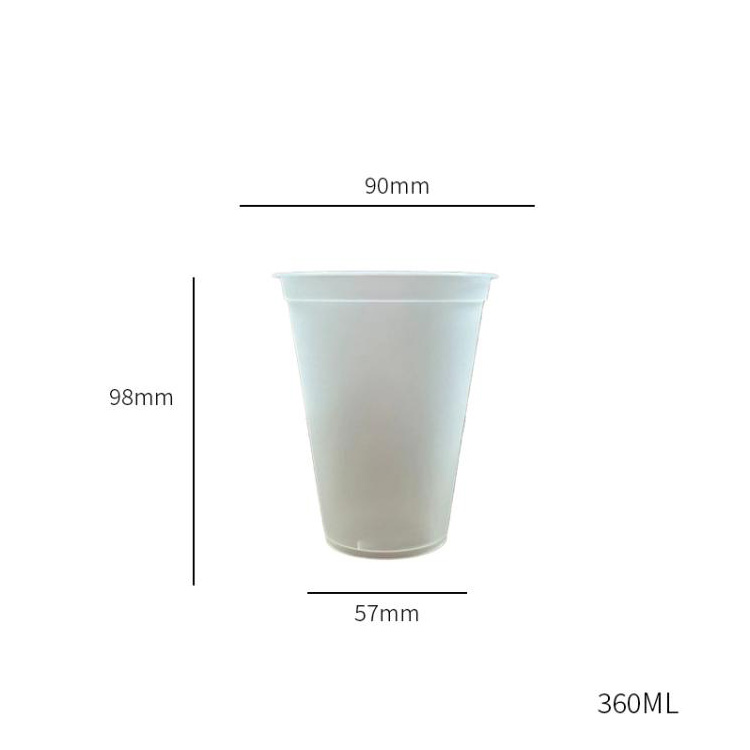
Table of Contents
- 1. Introduction to Printed PP Cups
- 2. Key Specifications and Applications
- 3. Common Questions About Printed PP Cups
- 4. Choosing the Right Supplier and Future Trends
1. Introduction to Printed PP Cups
Printed PP Cups, made from high-quality polypropylene (PP), are widely used for beverages, desserts, and cold or hot food items. They offer excellent durability, resistance to cracking, and the flexibility to support custom printing designs for branding purposes. Businesses often select Printed PP Cups to enhance customer experience while maintaining hygiene and convenience.
The primary focus of this article is to guide businesses and consumers through understanding Printed PP Cups, evaluating product specifications, and addressing frequently asked questions to optimize their selection and usage.
2. Key Specifications and Applications
Printed PP Cups are available in a wide range of sizes, thicknesses, and printing options. Below is a professional summary of typical product parameters:
| Parameter | Description |
|---|---|
| Material | High-quality food-grade Polypropylene (PP), BPA-free |
| Capacity | 100ml, 200ml, 300ml, 400ml, 500ml |
| Wall Thickness | 0.2mm - 0.5mm |
| Temperature Resistance | -20°C to 110°C |
| Printing Options | Offset, Flexo, Gravure, Digital printing |
| Features | Leak-proof, lightweight, recyclable, customizable design |
| Typical Applications | Beverages, smoothies, iced coffee, yogurt, desserts |
How are Printed PP Cups used in various industries?
Printed PP Cups are commonly used in:
- Coffee shops and juice bars for takeaway beverages
- Ice cream parlors and dessert shops for serving cold treats
- Event catering and corporate branding campaigns
- Food packaging companies seeking lightweight and customizable solutions
How does the choice of printing method affect the cup quality?
The printing method determines the durability, visual appeal, and resistance to fading. Offset printing ensures high-resolution graphics, Flexo printing is cost-effective for large quantities, and digital printing allows for full-color designs with rapid customization. Selecting the appropriate method can influence both brand impact and product longevity.
3. Common Questions About Printed PP Cups
Q1: Are Printed PP Cups safe for hot beverages?
A1: Yes. High-quality PP cups are designed to withstand temperatures up to 110°C without deforming. However, for prolonged exposure to very hot liquids, double-wall or insulated versions are recommended to prevent heat transfer.
Q2: Can Printed PP Cups be recycled?
A2: Absolutely. Polypropylene (PP) is widely accepted in recycling programs. Businesses are encouraged to check local recycling guidelines and educate consumers on proper disposal to support sustainability efforts.
Q3: How long does the printed design last on PP cups?
A3: The durability of printed designs depends on the printing technique. Offset and flexographic prints can last for weeks without fading, while digital prints may require careful handling to avoid scratches. Protective coatings are sometimes added to extend visual longevity.
Q4: Can Printed PP Cups be customized in shape and size?
A4: Yes. Manufacturers offer a variety of shapes, sizes, and capacities. Custom molds allow businesses to create unique designs that align with branding strategies and functional requirements.
Q5: What is the typical lead time for large orders?
A5: Lead times vary based on quantity and customization level. Standard bulk orders usually require 2–4 weeks, while highly customized designs may take 4–6 weeks including sample approvals and production scheduling.
4. Choosing the Right Supplier and Future Trends
Selecting a reliable supplier is critical for ensuring product quality, consistent supply, and adherence to food safety standards. Factors to consider include:
- Certification and compliance with food-grade standards
- Experience in producing customized printed cups
- Capacity to handle large-scale orders
- Innovation in sustainable materials and printing techniques
How can businesses future-proof their Printed PP Cup usage?
Trends indicate a growing preference for eco-friendly PP cups, incorporating recyclable or biodegradable coatings. Businesses are also moving towards digital printing for small-batch customization and rapid promotional campaigns. Understanding these trends allows businesses to optimize cost efficiency, brand visibility, and consumer satisfaction.
For companies seeking high-quality Printed PP Cups, Jiangsu Chuangyou provides a complete solution with customization options, rapid production capabilities, and strict quality control. Businesses can trust Jiangsu Chuangyou to deliver durable, visually appealing, and compliant cups to meet diverse market needs.
Contact us to explore customized Printed PP Cup solutions and bulk order options.