

How Does Crape Myrtle Create Long-Lasting Beauty in Modern Landscapes?
2026-07-29
Article Summary
Crape Myrtle has become one of the most popular ornamental trees for residential gardens, commercial landscapes, and public green spaces because of its exceptional flowering performance, adaptability, and year-round visual appeal. However, many landscape designers and homeowners still face challenges when selecting the right tree variety, maintaining healthy growth, and achieving consistent flowering results. This comprehensive guide explains how Crape Myrtle delivers outstanding landscape value, how to overcome common planting and maintenance problems, and why choosing reliable trees from Rogours can help create beautiful and sustainable outdoor environments.
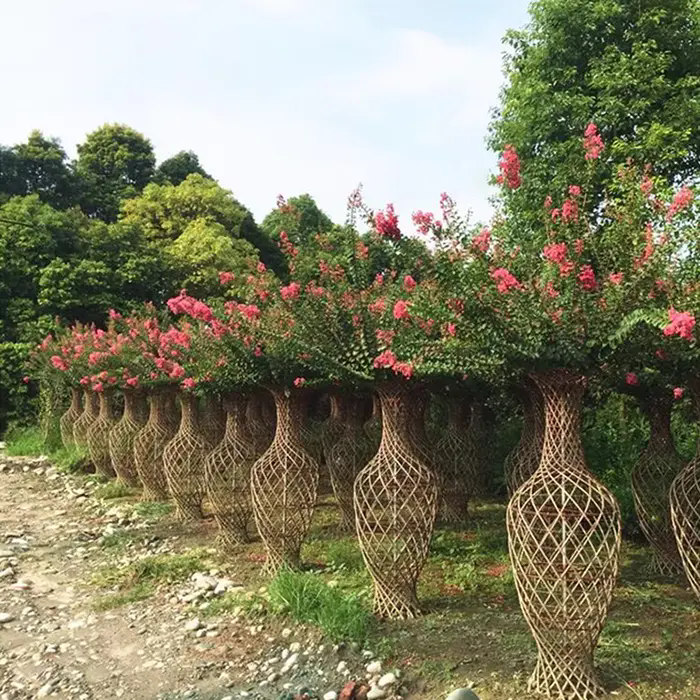
Table of Contents
- 1. What Makes Crape Myrtle a Valuable Landscape Tree?
- 2. How Do Crape Myrtle Features Solve Common Landscaping Problems?
- 3. How to Choose the Right Crape Myrtle for Different Applications
- 4. How Does Proper Planting Improve Crape Myrtle Growth?
- 5. How Can You Maintain Healthy and Attractive Crape Myrtle Trees?
- 6. Why Is Crape Myrtle a Smart Choice for Sustainable Landscaping?
- 7. Why Choose Rogours for Quality Crape Myrtle Trees?
- 8. Frequently Asked Questions About Crape Myrtle
What Makes Crape Myrtle a Valuable Landscape Tree?
Crape Myrtle is widely recognized as an excellent ornamental tree because it combines colorful flowers, attractive bark, manageable size, and strong environmental adaptability. Unlike many flowering plants that provide beauty only during a short season, Crape Myrtle creates multiple layers of landscape interest throughout the year.
During summer, Crape Myrtle produces abundant clusters of delicate flowers in shades such as pink, purple, red, and white. These vibrant blooms can transform ordinary outdoor areas into visually appealing spaces. In autumn, many varieties develop colorful foliage, while their smooth and peeling bark provides unique winter interest.
For property owners, one of the biggest challenges in landscaping is finding plants that are both attractive and practical. Some flowering trees require intensive care, grow too aggressively, or struggle in changing weather conditions. Crape Myrtle offers a balanced solution because it can provide decorative value while remaining relatively easy to manage.
Modern landscape projects increasingly require plants that support beauty, durability, and long-term performance. Whether used along streets, around buildings, in gardens, or in parks, Crape Myrtle provides a flexible option that meets different design requirements.
How Do Crape Myrtle Features Solve Common Landscaping Problems?
Choosing landscape trees often involves several concerns, including limited planting space, seasonal appearance, maintenance requirements, and climate adaptation. Crape Myrtle addresses many of these issues through its natural characteristics.
- Extended flowering period: Crape Myrtle can produce flowers for an extended summer season, helping landscapes maintain color when many other plants stop blooming.
- Compact growth options: Different varieties offer different mature sizes, making them suitable for small gardens, streetscapes, and large landscape projects.
- Strong adaptability: Crape Myrtle performs well in many warm climates and can tolerate various soil conditions when properly planted.
- Low maintenance requirements: Once established, healthy trees generally require moderate care compared with many other ornamental plants.
- Four-season interest: Flowers, foliage, bark texture, and branching structure provide changing visual features throughout the year.
For landscape professionals, these advantages reduce the risk of poor plant selection. A carefully selected Crape Myrtle can improve the appearance of a project while minimizing future maintenance difficulties.
How to Choose the Right Crape Myrtle for Different Applications
Selecting the correct Crape Myrtle variety is an important step in achieving successful landscape results. Different environments require different tree characteristics, including height, flowering color, growth habit, and maintenance expectations.
Before purchasing trees, buyers should consider several important factors:
- Available planting space: Small residential gardens may benefit from compact varieties, while parks and commercial landscapes may require larger trees.
- Climate conditions: Temperature range, sunlight exposure, and seasonal weather patterns influence growth performance.
- Landscape purpose: Trees used as decorative features, shade providers, property borders, or street trees may require different forms.
- Flower preference: Different Crape Myrtle varieties provide different flower colors and visual effects.
A common mistake is selecting trees based only on appearance without considering future growth. A tree that looks suitable when young may become unsuitable if its mature size exceeds the available space. Professional guidance and quality nursery sourcing can help avoid these problems.
How Does Proper Planting Improve Crape Myrtle Growth?
Even high-quality trees require correct planting techniques to achieve healthy development. Poor planting decisions can lead to weak root systems, slow growth, and reduced flowering performance.
The first step is choosing a location with sufficient sunlight. Crape Myrtle generally performs best in areas receiving several hours of direct sunlight each day. Adequate sunlight encourages stronger branches and more abundant flowers.
Soil preparation is also important. Well-drained soil helps prevent root problems while allowing roots to establish effectively. Before planting, the soil should be evaluated to ensure suitable growing conditions.
- Prepare a planting area wider than the root system.
- Avoid planting too deeply, as buried trunks can create long-term health issues.
- Provide proper watering after planting to support root establishment.
- Apply suitable mulch to help maintain soil moisture and regulate temperature.
Correct early care creates a strong foundation for future growth. A properly planted Crape Myrtle can develop better structure, improved flowering, and greater resistance to environmental stress.
How Can You Maintain Healthy and Attractive Crape Myrtle Trees?
Although Crape Myrtle is considered a relatively easy-care tree, regular maintenance improves appearance and long-term performance. Proper care focuses on watering, pruning, nutrition, and disease prevention.
Water management is especially important during the establishment stage. Young trees need consistent moisture while developing their root systems. Mature trees are more drought tolerant but still benefit from proper irrigation during extended dry periods.
Pruning should be performed carefully. Excessive cutting can damage the natural shape of the tree and reduce its aesthetic value. Instead of aggressive pruning, landscape professionals usually recommend selective removal of weak, damaged, or crossing branches.
Regular inspection is another important part of Crape Myrtle care. Checking trees for unusual leaf changes, damaged branches, or insect activity allows problems to be addressed before they become serious. Healthy trees naturally have better flowering performance and stronger landscape value.
- Water deeply but avoid excessive watering.
- Remove dead or unhealthy branches when necessary.
- Maintain proper air circulation around the tree.
- Use suitable nutrients according to soil conditions.
- Monitor seasonal changes and adjust maintenance practices.
With proper management, Crape Myrtle can remain attractive for many years and continue providing reliable beauty for different landscape applications.
Why Is Crape Myrtle a Smart Choice for Sustainable Landscaping?
Sustainable landscaping focuses on creating attractive outdoor spaces while reducing unnecessary resource consumption. Crape Myrtle supports this goal because of its durability, adaptability, and long-lasting ornamental performance.
Many landscape projects today require plants that can handle environmental challenges while maintaining visual quality. Crape Myrtle offers several advantages that make it suitable for sustainable landscape planning.
- Efficient use of space: Various growth forms allow designers to select suitable trees for different environments without overcrowding.
- Reduced replacement needs: Healthy, well-established trees can provide long-term landscape value.
- Seasonal beauty: A single tree can contribute flowers, foliage color, and structural interest throughout different seasons.
- Landscape diversity: Crape Myrtle can be combined with other plants to create balanced and attractive outdoor ecosystems.
For commercial properties, communities, and private gardens, selecting reliable ornamental trees is an investment in long-term appearance. Crape Myrtle helps create welcoming environments while maintaining practical maintenance requirements.
Why Choose Rogours for Quality Crape Myrtle Trees?
Selecting a dependable supplier is essential when purchasing ornamental trees for landscaping projects. Tree quality directly influences planting success, future growth, and overall landscape performance.
Rogours focuses on providing high-quality Crape Myrtle solutions designed to meet different landscape requirements. Through careful cultivation practices and attention to plant health, Rogours helps customers obtain trees with strong growth potential and excellent ornamental characteristics.
Whether the project involves residential gardens, commercial landscapes, public spaces, or customized planting plans, choosing suitable trees from an experienced supplier can reduce future maintenance challenges and improve project results.
Rogours understands that every landscape project has unique requirements. Factors such as climate conditions, available space, design objectives, and expected maintenance levels all influence the ideal tree selection. By offering professional product support and reliable Crape Myrtle options, Rogours helps customers create attractive outdoor environments with confidence.
Quality planting materials are the foundation of successful landscaping. A healthy Crape Myrtle tree not only enhances visual appeal but also provides lasting value for property owners and landscape professionals.
Frequently Asked Questions About Crape Myrtle
Q1: How long does Crape Myrtle usually take to grow?
Crape Myrtle growth speed depends on the variety, climate, soil conditions, and maintenance practices. With proper sunlight, watering, and care, many varieties can establish well and gradually develop into attractive landscape trees.
Q2: Does Crape Myrtle require a lot of maintenance?
Crape Myrtle is generally considered a low-maintenance ornamental tree. Basic care, including proper watering, occasional pruning, and seasonal observation, can help maintain healthy growth and beautiful flowering.
Q3: Where can Crape Myrtle be planted?
Crape Myrtle can be used in many locations, including gardens, streets, parks, commercial properties, and landscape designs. The key is selecting a suitable variety based on available space and local growing conditions.
Q4: Why is my Crape Myrtle not flowering well?
Poor flowering may result from insufficient sunlight, improper pruning, nutrient imbalance, or environmental stress. Providing adequate sunlight and maintaining healthy growing conditions can improve flowering performance.
Q5: Can Crape Myrtle tolerate different weather conditions?
Crape Myrtle has good adaptability and can perform well in many warm climate regions. However, selecting the right variety for the local environment remains important for achieving the best results.
Conclusion
Crape Myrtle is more than a decorative tree; it is a practical landscaping solution that combines seasonal beauty, adaptability, and long-term value. From colorful summer flowers to attractive bark and foliage changes, this tree provides visual interest throughout the year.
For homeowners, landscape designers, and commercial developers, choosing the right Crape Myrtle variety and following proper planting and maintenance methods can significantly improve landscape performance. High-quality trees from trusted suppliers can reduce future challenges and help create healthier outdoor spaces.
Rogours provides reliable Crape Myrtle options to support different landscaping needs, helping customers achieve beautiful and sustainable planting projects. If you are looking for high-quality Crape Myrtle trees and professional planting solutions, please contact us today to discuss your requirements and discover the right choice for your landscape.