

How Does Carded Packaging Improve Product Protection and Retail Appeal?
2026-03-19
Article Summary
Carded packaging has become a preferred solution for manufacturers and retailers aiming to balance product protection, visibility, and cost efficiency. This article provides a comprehensive overview of how carded packaging works, its structural advantages, key materials, and how it solves common challenges such as product damage, tampering, and poor shelf presentation. Detailed insights, technical comparisons, and practical recommendations are included to help businesses make informed packaging decisions.
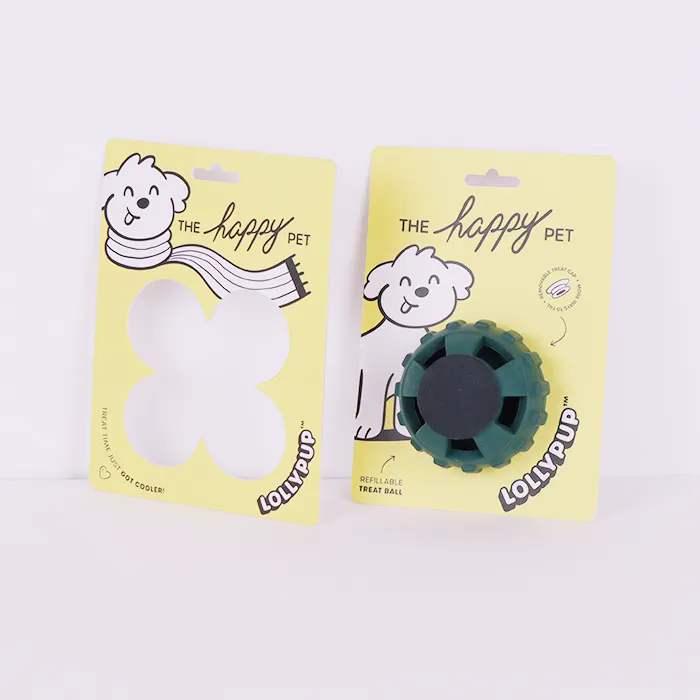
Table of Contents
- Introduction to Carded Packaging
- How Carded Packaging Works
- Key Types of Carded Packaging
- Material Composition and Structure
- Advantages for Retail and Logistics
- Common Customer Pain Points and Solutions
- Product Parameter Overview
- Best Practices for Choosing Carded Packaging
- Frequently Asked Questions
- Conclusion
Introduction to Carded Packaging
Carded packaging refers to a packaging format that combines a rigid paperboard backing (card) with a transparent plastic blister or shell. This design is widely used in retail environments where both product visibility and security are critical. It is commonly applied in industries such as electronics, hardware tools, cosmetics, and consumer goods.
The growing demand for efficient packaging solutions has made carded packaging an essential option for brands seeking to enhance product display while minimizing damage and theft. Companies like Doyoupacks have been developing advanced carded packaging solutions tailored to diverse industrial requirements.
How Carded Packaging Works
Carded packaging operates by securely sealing a product between a pre-formed plastic blister and a printed paperboard card. The plastic component is typically thermoformed to match the shape of the product, ensuring a snug fit and reducing movement during transportation.
- Step 1: Product placement into a molded plastic cavity
- Step 2: Alignment with a printed backing card
- Step 3: Heat sealing or adhesive bonding
- Step 4: Final trimming and quality inspection
This method ensures that the product remains visible while being securely enclosed, preventing tampering and environmental damage.
Key Types of Carded Packaging
Understanding the different types of carded packaging helps businesses select the most suitable option for their products.
- Blister Card Packaging: A single plastic blister attached to a backing card
- Clamshell Packaging: A hinged plastic shell that encloses the product
- Skin Packaging: A thin plastic film tightly wrapped over the product and card
- Slide Blister Packaging: A reusable blister that slides into a folded card
Each type offers unique benefits depending on product size, weight, and display requirements.
Material Composition and Structure
The effectiveness of carded packaging depends heavily on material selection. The combination of paperboard and plastic must achieve both durability and visual clarity.
| Component | Material Options | Function |
|---|---|---|
| Backing Card | Coated paperboard, kraft board | Provides structural support and branding surface |
| Blister Shell | PET, PVC, RPET | Encases and protects the product |
| Adhesive/Seal | Heat seal coating, glue | Bonds plastic to paperboard |
Modern packaging solutions increasingly adopt recyclable materials such as RPET to meet environmental expectations.
Advantages for Retail and Logistics
Carded packaging offers multiple advantages across the supply chain, from manufacturing to retail display.
- Enhanced Visibility: Transparent blister allows customers to view the product directly
- Improved Security: Tamper-evident sealing reduces theft and product substitution
- Space Efficiency: Flat backing enables easy stacking and hanging
- Branding Opportunities: High-quality printing on the card improves brand recognition
- Cost Control: Lightweight materials reduce shipping expenses
These advantages make carded packaging particularly effective in high-traffic retail environments.
Common Customer Pain Points and Solutions
Businesses often encounter several challenges when selecting packaging. Carded packaging addresses these issues effectively.
-
Problem: Product Damage During Transport
Solution: Custom-molded blisters reduce movement and absorb impact. -
Problem: Poor Shelf Appeal
Solution: High-resolution printing and clear visibility enhance product presentation. -
Problem: Tampering and Theft
Solution: Sealed packaging provides clear evidence of interference. -
Problem: Complex Packaging Processes
Solution: Automated sealing systems improve production efficiency.
Product Parameter Overview
| Parameter | Specification |
|---|---|
| Material Thickness | 0.2mm – 0.8mm (plastic) |
| Card Weight | 250g – 500g paperboard |
| Sealing Method | Heat sealing / Ultrasonic sealing |
| Transparency | High clarity PET or PVC |
| Customization | Shape, size, printing, logo |
Best Practices for Choosing Carded Packaging
Selecting the right carded packaging requires careful evaluation of product characteristics and market requirements.
- Match blister shape precisely to product dimensions
- Choose durable materials for heavier items
- Optimize card design for branding and compliance
- Consider sustainability by using recyclable materials
- Ensure compatibility with retail display systems
Working with experienced manufacturers such as Doyoupacks ensures that packaging solutions are both functional and market-ready.
Frequently Asked Questions
Q1: What industries commonly use carded packaging?
Carded packaging is widely used in electronics, hardware tools, cosmetics, medical devices, and consumer accessories due to its visibility and protective features.
Q2: Is carded packaging environmentally friendly?
Yes, when recyclable materials like PET and paperboard are used. Many manufacturers now offer eco-friendly options with reduced plastic content.
Q3: Can carded packaging be customized?
Absolutely. It can be tailored in terms of size, shape, printing design, and material to meet specific product and branding requirements.
Q4: How does it prevent theft?
Sealed blister packaging is difficult to open without visible damage, making it an effective deterrent against tampering and theft in retail environments.
Conclusion
Carded packaging remains a highly efficient and versatile solution for modern product presentation and protection. Its combination of structural integrity, visual appeal, and cost-effectiveness makes it suitable for a wide range of industries. By addressing common challenges such as product safety, retail visibility, and logistics efficiency, it delivers measurable value across the supply chain.
For businesses seeking reliable and customizable packaging solutions, Doyoupacks offers professional expertise and advanced manufacturing capabilities tailored to diverse product needs. To explore tailored solutions and enhance your product packaging strategy, contact us today for detailed consultation and support.