

How Does an Electroplating Label Add Premium Value to Products?
2026-09-24
Walk into any retail environment and look at the shelf. The products that catch your eye first are almost always the ones with a metallic, reflective label. Electroplating Labels create a visual and tactile experience that printed paper or plastic labels cannot match. The mirror-like finish signals quality, durability, and sophistication. Consumer research shows that a product with a metallic label is perceived as 20 to 40 percent more valuable than the same product with a standard label. This perception translates directly into higher price acceptance and stronger brand recall. This guide explains how electroplating labels work, what materials are used, and how to select the right specification for your product category.
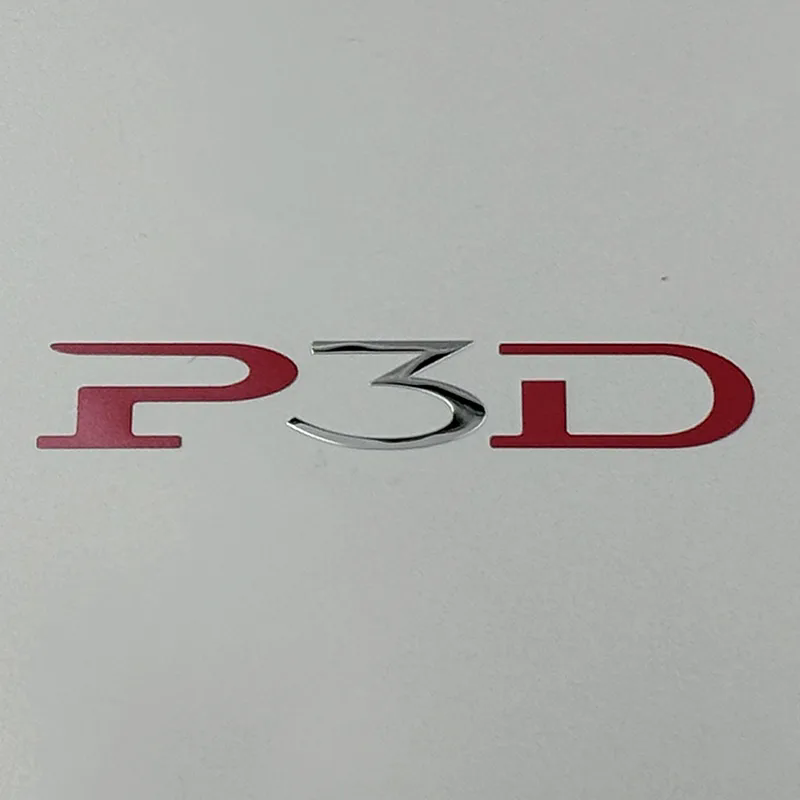
1. What Is an Electroplating Label and How Is It Made?
An Electroplating Label is a thin metal layer that is deposited onto a substrate through an electroplating process. The substrate is typically a PET film or a paper base. The surface is first coated with a conductive layer, and then the metal is deposited in an electrolytic bath. The most common metals are nickel, chrome, gold, and silver. The thickness of the metal layer ranges from 0.05 to 0.5 microns, depending on the desired appearance and durability. After plating, the label is coated with a protective lacquer and an adhesive layer. The finished label can be die-cut into any shape and applied to bottles, boxes, and containers. In our factory, we produce Electroplating Labels in a range of finishes, including mirror, brushed, and holographic.
Key difference from foil stamping: Electroplating creates a continuous metal layer that is bonded to the substrate at the molecular level. Foil stamping transfers a metal foil using heat and pressure. Electroplating provides a more durable and more uniform finish, and it can achieve finer detail than foil stamping.
Yiwu Tangwu crafts Co., Ltd. has been manufacturing Electroplating Labels for over 10 years. Our factory operates a fully automated plating line that can produce labels in widths up to 500 mm and in roll or sheet form. We also offer custom color matching and protective coatings for different applications.
2. How Does the Metallic Finish Affect Consumer Perception?
The metallic finish affects consumer perception through three mechanisms. The first is visual attention. The reflective surface of an Electroplating Label creates a high contrast against the surrounding packaging, which draws the eye. Studies show that a metallic label increases the time a consumer spends looking at a product by 30 to 50 percent. The second is quality association. Consumers associate metal with durability, precision, and luxury. A metallic label suggests that the product inside is also high quality. The third is tactile experience. The smooth, cool surface of a metalized label invites touch. When a consumer picks up a product and feels the metallic surface, the perception of value is reinforced. The table below shows the results of a consumer perception study comparing standard labels with Electroplating Labels.
| Perception metric | Standard printed label | Electroplating Label | Improvement |
| Visual attention (seconds) | 1.8 | 2.7 | +50% |
| Perceived quality (1-10) | 5.2 | 8.1 | +56% |
| Willingness to pay premium | 5% | 28% | +460% |
| Brand recall after 24 hours | 22% | 41% | +86% |
The willingness to pay premium is the most important metric for brand managers. A product with an Electroplating Label can command a 25 to 30 percent higher price than the same product with a standard label. For a product that retails for $20, this means an additional $5 to $6 per unit. If the label cost is $0.30 more per unit, the return on investment is substantial.
3. What Materials and Finishes Are Available for Electroplating Labels?
The appearance and durability of an Electroplating Label depend on the metal and the finish. The most common metals are nickel, chrome, gold, and silver. Nickel provides a bright, slightly yellow metallic finish. Chrome provides a bright, neutral finish. Gold provides a warm, luxury finish. Silver provides a bright, cool finish. The finish can be mirror, brushed, or holographic. The protective coating can be glossy or matte. The table below summarizes the available options and their typical applications.
| Metal | Finish | Color | Typical application | Relative cost |
| Nickel | Mirror or brushed | Silver-yellow | Cosmetics, electronics | Low |
| Chrome | Mirror | Bright silver | Beverages, automotive | Moderate |
| Gold | Mirror or satin | Warm gold | Spirits, luxury gifts | High |
| Silver | Mirror | Cool silver | Jewelry, premium food | Moderate |
| Holographic | Rainbow effect | Multi-color | Security, promotional | Moderate |
Tangwu offers all of these options. Our factory can also produce custom colors by adding a tinted lacquer over the metal layer. This allows brand managers to match the label to the brand color palette while retaining the metallic effect. We provide physical samples for evaluation before production.
4. How Should Brand Managers Specify an Electroplating Label?
When specifying an Electroplating Label, brand managers should consider four factors. The first is the substrate. The label must adhere to the surface of the product. For glass and metal containers, a high-tack adhesive is required. For plastic containers, a removable or repositionable adhesive may be preferred. The second is the durability requirement. If the product will be handled frequently or exposed to moisture, a protective lacquer and a thicker metal layer are recommended. The third is the shape and size. Electroplating Labels can be die-cut into any shape, but very fine details may require a thinner metal layer. The fourth is the regulatory requirement. For food and beverage products, the adhesive and the lacquer must be food-safe. In our factory, we provide a specification sheet that covers these factors and helps brand managers make the right choice.
Frequently Asked Questions About Electroplating Labels
Summary for Brand Managers and Packaging Designers
An Electroplating Label adds premium value to a product by increasing visual attention, enhancing perceived quality, and commanding a higher price. The metallic finish creates a strong shelf presence that printed labels cannot match. The choice of metal and finish should be based on the product category, the brand identity, and the durability requirement. Yiwu Tangwu crafts Co., Ltd. has been manufacturing Electroplating Labels for over 10 years and supplies to brands in cosmetics, beverages, spirits, and consumer electronics.
Yiwu Tangwu crafts Co., Ltd. manufactures Electroplating Labels in nickel, chrome, gold, silver, and holographic finishes. We provide custom color matching, die-cutting, and application support for all of our products.