

How Does an Acrylic Dome Improve Modern Architectural and Industrial Projects?
2026-05-27
Acrylic dome products are widely used in commercial buildings, skylights, observatories, retail displays, security covers, lighting systems, and architectural structures. Compared with traditional glass domes, acrylic domes provide higher impact resistance, lighter weight, better weather durability, and greater design flexibility. This article explains how acrylic domes work, their advantages, manufacturing processes, common applications, installation considerations, maintenance tips, and how to choose the right supplier for long-term project performance.
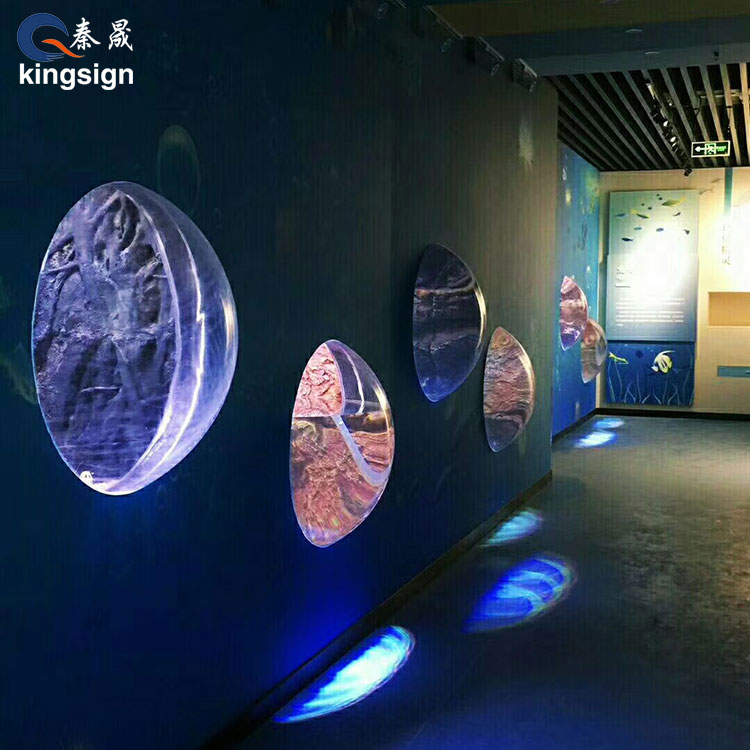
Table of Contents
- What Is an Acrylic Dome?
- Why Acrylic Domes Are Better Than Traditional Materials
- Common Applications of Acrylic Dome Products
- How Acrylic Domes Are Manufactured
- How to Choose the Right Acrylic Dome
- Maintenance and Cleaning Tips
- Acrylic Dome vs Glass Dome
- FAQ
- Conclusion
What Is an Acrylic Dome?
An acrylic dome is a transparent or translucent curved structure manufactured from high-quality acrylic sheets through thermoforming processes. These domes are commonly used for skylights, architectural roofing systems, optical covers, security enclosures, industrial equipment, and decorative installations.
Acrylic material is known for its excellent optical clarity, UV resistance, lightweight structure, and impact strength. Because of these properties, acrylic domes have become a preferred solution in projects requiring both functionality and visual appeal.
Unlike flat acrylic sheets, dome-shaped products provide better load distribution and improved resistance against wind pressure, rainwater accumulation, and environmental stress. Their curved geometry also allows better light transmission and a modern architectural appearance.
- High light transmission
- Excellent weather resistance
- Strong impact resistance
- Lightweight structure
- Customizable shapes and sizes
- Long service life
Why Acrylic Domes Are Better Than Traditional Materials
Many customers struggle with heavy glass structures, complicated installations, poor weather performance, and high maintenance costs. Acrylic domes help solve these challenges efficiently.
| Feature | Acrylic Dome | Traditional Glass Dome |
|---|---|---|
| Weight | Lightweight | Heavy |
| Impact Resistance | Excellent | Moderate |
| Installation Difficulty | Easy | Complex |
| Weather Resistance | Very Good | Good |
| Customization | Highly Flexible | Limited |
Acrylic domes are especially valuable in areas exposed to harsh climates. Their UV-resistant surface helps reduce yellowing and aging over time, making them ideal for outdoor use.
Additionally, their lightweight characteristics reduce transportation costs and simplify installation procedures, which can significantly lower project expenses.
Common Applications of Acrylic Dome Products
Acrylic domes are widely used across multiple industries because of their versatility and durability.
Architectural Skylights
Acrylic domes allow natural sunlight into buildings while maintaining strong weather protection and energy efficiency.
Commercial Buildings
Shopping malls, hotels, airports, and office buildings often use acrylic domes for decorative and functional roofing systems.
Lighting Covers
Acrylic domes are frequently used as protective covers for LED lighting systems due to their high transparency.
Security Equipment
Surveillance camera covers and protective shields commonly use acrylic dome structures because of their impact resistance.
Many modern designers also use custom acrylic domes in museums, exhibitions, aquariums, and luxury interior projects to create visually impressive environments.
How Acrylic Domes Are Manufactured
High-quality acrylic dome production requires precision equipment, professional molding technology, and strict quality control procedures.
- Material Selection: Premium acrylic sheets are chosen according to thickness, transparency, and application requirements.
- Heating Process: Acrylic sheets are heated to a specific temperature until they become flexible.
- Thermoforming: Specialized molds are used to shape the heated acrylic into dome structures.
- Cooling and Stabilization: Controlled cooling prevents deformation and internal stress.
- Polishing and Finishing: Edges and surfaces are polished for enhanced transparency and appearance.
- Inspection: Final products undergo dimensional and optical quality inspections.
Professional manufacturers such as Kingsign focus on precision manufacturing and custom production capabilities to meet complex project demands. Customized diameters, heights, thicknesses, colors, and edge treatments can all be produced according to customer requirements.
How to Choose the Right Acrylic Dome
Selecting the correct acrylic dome is essential for safety, performance, and long-term durability. Customers should evaluate several technical factors before purchasing.
- Determine the required dome diameter and height
- Choose the appropriate acrylic thickness
- Evaluate UV resistance requirements
- Confirm indoor or outdoor application conditions
- Check load-bearing and wind resistance needs
- Select clear, frosted, or colored finishes
- Verify installation compatibility
For large architectural projects, engineers should also consider thermal expansion properties and structural integration requirements.
Working with an experienced supplier helps reduce design risks and manufacturing errors while ensuring stable product quality.
Maintenance and Cleaning Tips
Proper maintenance significantly extends the service life of acrylic dome products.
- Use soft microfiber cloths for cleaning
- Avoid abrasive chemicals and rough brushes
- Use mild soap with clean water
- Inspect seals and mounting structures regularly
- Prevent sharp object impacts during maintenance
Unlike glass, acrylic surfaces can scratch more easily if cleaned improperly. However, minor scratches can often be polished and repaired effectively.
Acrylic Dome vs Glass Dome
Customers often compare acrylic and glass domes before making purchasing decisions. While both materials offer transparency, acrylic provides several important operational benefits.
Acrylic domes are significantly lighter, making transportation and installation easier. They also provide stronger impact resistance, reducing breakage risks in demanding environments.
Glass domes may offer higher surface hardness, but they are heavier and more vulnerable to shattering under impact stress. Acrylic solutions are generally more practical for industrial, commercial, and architectural applications requiring long-term durability.
FAQ
Can acrylic domes be customized?
Yes. Acrylic domes can be customized in diameter, height, thickness, color, transparency, and edge finishing according to project requirements.
Are acrylic domes suitable for outdoor use?
High-quality acrylic domes with UV-resistant materials are highly suitable for outdoor architectural and industrial environments.
How long do acrylic domes last?
With proper maintenance and quality materials, acrylic domes can maintain excellent performance for many years.
Are acrylic domes stronger than glass?
Acrylic domes generally provide better impact resistance than standard glass, making them safer for many applications.
Conclusion
Acrylic domes have become an essential solution for modern architectural, industrial, and commercial applications. Their lightweight structure, durability, optical clarity, and customization flexibility make them ideal for projects requiring both performance and aesthetics.
Whether you need skylight domes, protective covers, display structures, or custom architectural components, choosing a reliable manufacturer is critical for achieving long-term project success.
Kingsign provides professional acrylic dome manufacturing solutions with advanced production technology and customized engineering support. If you are looking for durable, high-quality acrylic dome products for your next project, contact us today to discuss your requirements and receive a professional solution tailored to your application.