
Article Summary:
A water flask is more than just a container—it is a temperature-regulating hydration system designed to keep beverages hot or cold for extended periods while solving common issues such as leakage, poor durability, and inconsistent drinking temperature. This article explores how a modern water flask works, its benefits, materials, types, usage considerations, and practical buying insights to help users make informed decisions.
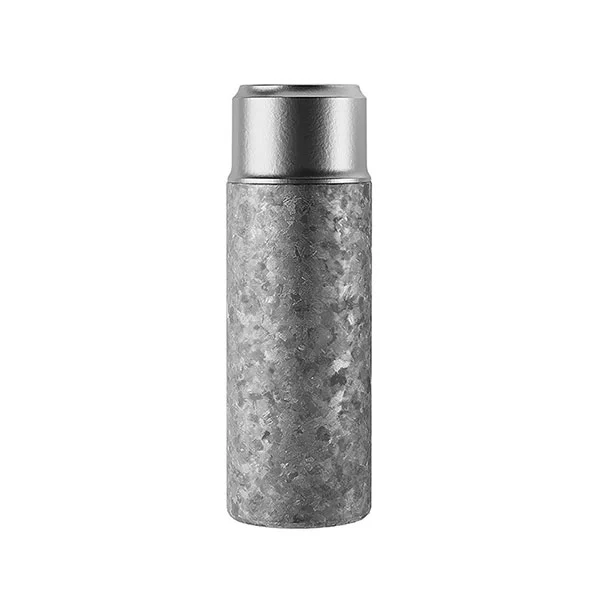
Table of Contents
- Introduction to Water Flask Technology
- Common User Pain Points
- How a Water Flask Works
- Main Types of Water Flasks
- Key Benefits for Daily Use
- Material and Build Comparison
- Selection Guide Table
- Maintenance and Care Tips
- FAQ
- Conclusion & Contact Information
1. Introduction to Water Flask Technology
A modern Water Flask is typically built with stainless steel and engineered using double-wall vacuum insulation. This structure significantly reduces heat transfer, allowing beverages to maintain their temperature for long durations. High-quality designs can preserve cold drinks for up to 24–48 hours and hot beverages for 12–24 hours under optimal conditions.
This thermal efficiency is achieved by eliminating air between two metal walls, which reduces conduction and convection heat loss, making the flask suitable for office, travel, gym, and outdoor use.
2. Common User Pain Points
- Water becoming warm within a few hours
- Leaking bottles inside bags or backpacks
- Plastic taste or odor contamination
- Difficulty cleaning narrow bottle openings
- Low durability under daily impact or drops
These problems are the primary reason insulated water flasks have replaced conventional bottles in many daily routines.
3. How a Water Flask Works
The core mechanism behind a water flask is vacuum insulation. It uses two stainless steel layers with a near-vacuum space in between, which minimizes thermal transfer.
- Conduction Reduction: Metal walls do not directly transfer heat due to vacuum separation
- Convection Elimination: Absence of air prevents circulating heat flow
- Radiation Control: Reflective coatings reduce heat radiation exchange
This engineering principle allows beverages to maintain stable temperature far longer than standard bottles.
4. Main Types of Water Flasks
1. Vacuum Insulated Stainless Steel Flask
The most efficient type, offering strong temperature retention and leak-proof performance.
2. Single-Wall Metal Flask
Lightweight but lacks insulation, suitable only for short-term use.
3. Plastic or Tritan Flask
Affordable and lightweight, but limited in thermal performance and durability.
4. Wide-Mouth Flask
Designed for easy filling, ice addition, and cleaning, commonly used for outdoor hydration.
5. Key Benefits for Daily Use
- Temperature Stability: Keeps drinks cold or hot for hours without rapid fluctuation
- Leak Protection: Screw-seal lids prevent accidental spills during transport
- Health Safety: Stainless steel prevents chemical leaching and odor retention
- Durability: Resistant to dents, drops, and long-term wear
- Hydration Consistency: Encourages higher water intake due to better drinking experience
6. Material and Build Comparison
| Feature | Stainless Steel Vacuum Flask | Plastic Bottle | Single-Wall Metal Bottle |
|---|---|---|---|
| Temperature Retention | High | Low | Very Low |
| Durability | Very High | Medium | High |
| Leak Resistance | Excellent | Variable | Moderate |
| Health Safety | High | Medium | High |
| Weight | Medium | Light | Light |
7. Maintenance and Care Tips
- Clean regularly with warm water and mild detergent
- Avoid abrasive cleaning tools to protect insulation layer
- Do not store acidic liquids for extended periods
- Keep lid open when not in use to avoid odor buildup
- Rinse immediately after using flavored beverages
8. FAQ
Q1: How long does a water flask keep drinks cold?
A high-quality insulated water flask can keep drinks cold for up to 24–48 hours depending on usage conditions.
Q2: Can I put hot coffee inside a water flask?
Yes, most stainless steel vacuum flasks are designed for both hot and cold beverages.
Q3: Why does my flask lose temperature over time?
Frequent opening, poor lid sealing, or low-quality insulation can reduce performance.
Q4: Is stainless steel safe for daily drinking use?
Yes, food-grade stainless steel is widely considered safe and does not release harmful substances.
9. Conclusion
A high-quality water flask is an essential daily hydration tool that enhances convenience, improves temperature control, and reduces reliance on disposable bottles. Whether used for commuting, fitness, or outdoor travel, its combination of durability and thermal efficiency provides long-term value.
In the market, Kudike factory focuses on producing reliable and performance-driven water flask solutions designed for modern lifestyles and demanding usage environments.
If you are looking for durable, leak-proof, and high-performance hydration products, contact us today to explore customized solutions and wholesale opportunities.