

How Does a Sanding Sponge Adapt to Multiple Surface Preparation Needs in Daily Applications?
2025-12-15
A sanding sponge is a flexible abrasive tool designed for surface preparation across wood, metal, drywall, plastic, and composite materials. Unlike rigid sandpaper sheets or traditional abrasive discs, a sanding sponge combines an abrasive mineral layer with a resilient foam core, allowing it to conform to flat, contoured, and irregular surfaces. This adaptability makes it a practical choice for both professional finishing operations and routine maintenance tasks.
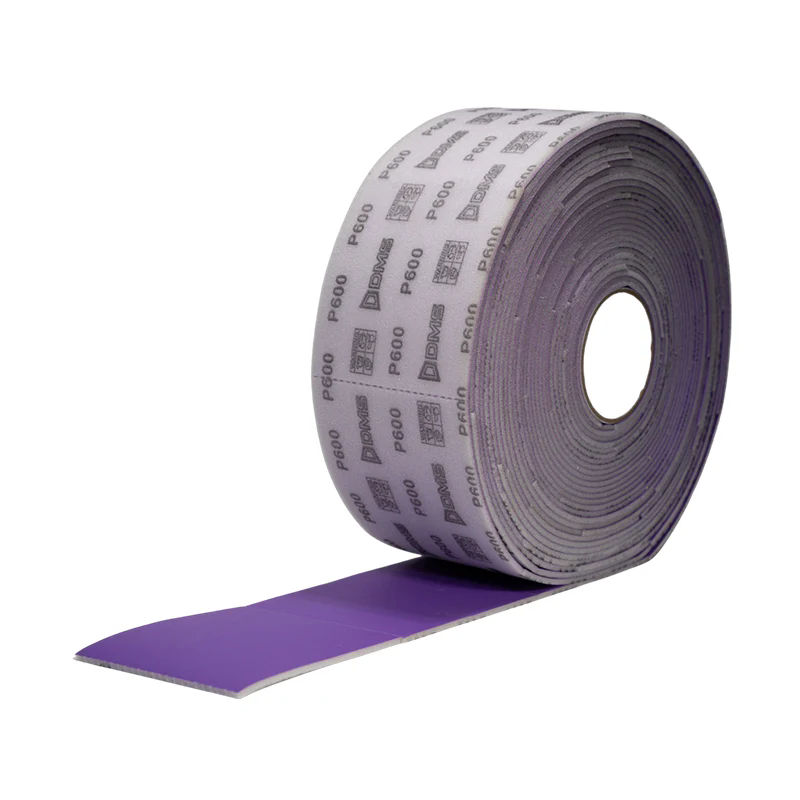
How Is a Sanding Sponge Engineered to Balance Flexibility and Abrasive Control?
The engineering of a sanding sponge centers on the balance between flexibility and cutting efficiency. This balance is achieved through a layered construction that integrates foam density, abrasive grain type, and bonding technology.
At its core, the foam substrate determines how the sponge responds to pressure. A softer foam allows the abrasive surface to follow curves and edges without gouging, while a higher-density foam offers improved flatness control for planar surfaces. The abrasive layer, bonded to the foam, provides the actual cutting or smoothing action. Common abrasive grains include aluminum oxide for general-purpose sanding, silicon carbide for finer finishing, and ceramic blends for extended durability in industrial contexts.
The bonding method is equally critical. Advanced resin bonding ensures that abrasive grains remain evenly distributed and securely attached during use, reducing premature grain loss. This consistency contributes to predictable scratch patterns, which is a key requirement in surface preparation prior to coating, painting, or sealing.
From an operational standpoint, sanding sponges are designed to be used dry or wet. Wet sanding capability helps reduce airborne dust and improves surface finish quality, particularly in automotive refinishing and furniture manufacturing. The sponge structure retains water without compromising abrasive exposure, allowing for controlled material removal.
How Do Product Parameters Define Sanding Sponge Performance Across Materials?
Product parameters provide an objective way to evaluate sanding sponge suitability for specific tasks. These parameters influence cutting speed, finish quality, service life, and user control. Below is a consolidated overview of typical sanding sponge specifications used in professional markets:
| Parameter | Common Range | Practical Implication |
|---|---|---|
| Grit Size | P60 – P400 | Determines material removal rate and surface smoothness |
| Abrasive Grain | Aluminum Oxide / Silicon Carbide | Affects durability and finish consistency |
| Foam Density | Soft / Medium / Hard | Controls flexibility and pressure distribution |
| Dimensions | 100 × 70 × 25 mm (typical) | Impacts handling and coverage efficiency |
| Usage Mode | Dry / Wet | Expands application environments |
| Edge Profile | Square / Beveled | Influences access to corners and contours |
Each parameter works in combination rather than isolation. For example, a medium-density foam paired with P120 grit aluminum oxide offers controlled stock removal on wood surfaces while maintaining enough flexibility to avoid edge damage. Conversely, a soft foam with P240 silicon carbide is more suitable for light finishing on curved plastic components.
Understanding these parameters helps align product selection with workflow requirements, reducing rework and improving finish uniformity.
How Can a Sanding Sponge Be Integrated Into Efficient Surface Preparation Workflows?
The integration of sanding sponges into surface preparation workflows depends on task sequencing and surface condition assessment. In professional settings, sanding sponges are often used as intermediate or finishing tools rather than primary stock removal instruments.
For rough surfaces with visible defects, initial preparation may involve rigid abrasives or power tools. Once major irregularities are removed, sanding sponges are introduced to refine edges, smooth transitions, and prepare the surface for final coating. Their ability to wrap around profiles makes them particularly effective for moldings, rounded edges, and recessed areas where flat abrasives fail to maintain consistent contact.
In repainting or refinishing scenarios, sanding sponges are frequently used for deglossing existing coatings. The controlled abrasion reduces the risk of cutting through base materials while creating sufficient surface roughness for adhesion. Wet sanding techniques further enhance this process by minimizing dust and improving tactile feedback.
From a productivity perspective, sanding sponges reduce tool changes. A single sponge can address flat surfaces, edges, and curves, streamlining workflow and lowering consumable inventory complexity. This versatility is a key reason sanding sponges are widely adopted in woodworking, automotive refinishing, drywall installation, and light metal finishing.
How Do Common Questions Clarify Real-World Use of Sanding Sponges?
Q: How should grit selection be determined for different sanding stages?
A: Grit selection should follow a progressive approach based on surface condition and desired finish. Coarser grits such as P60–P100 are appropriate for removing imperfections or leveling filler, while medium grits like P120–P180 refine the surface and eliminate previous scratch marks. Fine grits above P220 are used for final smoothing before painting or coating. Skipping grit stages can result in visible scratches that compromise finish quality.
Q: How does wet sanding with a sanding sponge improve surface results?
A: Wet sanding reduces friction and flushes away debris, preventing abrasive clogging. This results in a more uniform scratch pattern and lowers the risk of surface overheating or gouging. The sponge’s foam structure retains moisture while maintaining abrasive contact, making it particularly effective for finishing painted or primed surfaces.
These frequently asked questions highlight how proper technique and parameter awareness directly influence sanding outcomes.
How Does Brand Expertise Shape the Future Use of Sanding Sponges?
As surface preparation standards continue to evolve, sanding sponges remain a practical and adaptable solution across industries. Advances in abrasive technology, foam formulation, and bonding methods are driving more consistent performance and longer service life. Within this landscape, manufacturers that emphasize material quality and application-driven design are better positioned to meet professional expectations.
DMS focuses on delivering sanding sponge solutions that align with these requirements, offering controlled abrasion, reliable flexibility, and consistent specifications for diverse applications. By understanding how sanding sponges function, how parameters affect performance, and how they integrate into workflows, users can make informed decisions that improve efficiency and finish quality.
For additional technical information, product selection guidance, or customized solutions related to sanding sponges, contact us to discuss specific application needs and explore appropriate options for current and future projects.