

How Do You Clean Car Speaker Grilles Without Removing Them
2026-09-17
Maintaining the interior of your vehicle goes beyond vacuuming carpets and wiping down dashboards. One often overlooked area is the Car Speaker Grille, which accumulates dust, lint, and debris over time. At YanMing, we understand that removing these grilles can be risky, especially if they are integrated into door panels or rear decks. Fortunately, you can restore their appearance and protect your audio system without dismantling anything. This guide shares professional techniques to clean your Car Speaker Grille safely and effectively.
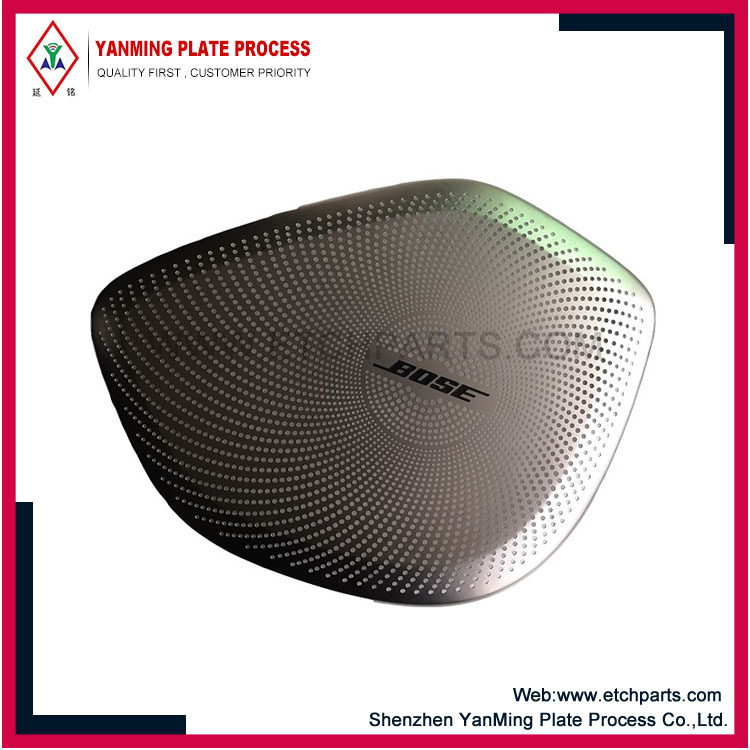
Why Cleaning Without Removal Matters
Removing a Car Speaker Grille often involves prying clips, unscrewing panels, or accessing behind door trim. This can lead to broken tabs, scratched surfaces, or damaged speakers. YanMing recommends a non-invasive approach that preserves both the grille and the audio components beneath it.
Tools and Materials You Will Need
| Tool | Purpose |
|---|---|
| Soft-bristle brush (e.g., detailing brush) | Loosens dust from mesh |
| Microfiber cloth | Wipes surfaces without scratching |
| Vacuum with brush attachment | Extracts debris from openings |
| Compressed air (low pressure) | Blows out trapped particles |
| Mild soap solution (pH-neutral) | Breaks down grime |
| Cotton swabs | Reaches tight corners |
Step-by-Step Cleaning Process
-
Prepare the Area – Lower the window and gently pull the door panel trim back slightly if needed. Do not force anything.
-
Dry Dusting – Use a soft brush to sweep the Car Speaker Grille surface. Work in circular motions.
-
Vacuum Extraction – With a brush attachment, vacuum over the grille. This removes loose dust without pushing it deeper.
-
Compressed Air – Hold the can 6 inches away and use short bursts. This dislodges debris between the mesh and the speaker cone.
-
Damp Wiping – Dampen a microfiber cloth with mild soapy water. Wring it out thoroughly. Wipe the grille gently.
-
Detail Cleaning – Use a cotton swab dipped in soapy water for edges and crevices.
-
Dry Completely – Leave the door open for 10 minutes. Avoid using heat guns or hair dryers.
Professional Tips from YanMing
-
Never spray liquid directly onto the Car Speaker Grille.
-
Avoid abrasive cleaners or scrubbing pads.
-
For fabric grilles, use a soft upholstery brush and low-suction vacuum.
-
For metal grilles, a dry microfiber cloth prevents water spots.
-
Clean every 4–6 weeks to prevent dust buildup that affects sound clarity.
Comparison of Cleaning Methods
| Method | Effectiveness | Risk Level | Best For |
|---|---|---|---|
| Dry brush only | Moderate | Very low | Weekly maintenance |
| Vacuum + brush | High | Low | Monthly deep clean |
| Compressed air | High | Low | Recessed grilles |
| Damp cloth | Moderate | Medium | Sticky residue |
| Cotton swab detail | High | Very low | Edges and corners |
Frequently Asked Questions
Can I use a toothbrush to clean my Car Speaker Grille?
Yes, a soft toothbrush works well for gentle agitation, but use light pressure to avoid bending the mesh.
How often should I clean my Car Speaker Grille?
Aim for a quick dry dusting every two weeks and a deeper clean once a month, or more often if you drive with windows down.
Will cleaning without removing the grille damage the speaker?
Not if you avoid excess moisture and high-pressure air. YanMing advises using low-pressure compressed air and a barely damp cloth only.
What if sticky residue remains on the Car Speaker Grille?
Apply a small amount of pH-neutral soap with a microfiber cloth, then wipe dry immediately. Do not soak the area.
Can I use alcohol or ammonia-based cleaners?
No. These can degrade plastic, metal coatings, and speaker surrounds. Stick to mild soap and water.
Contact Us
For premium Car Speaker Grille solutions and professional maintenance advice, reach out to YanMing today. Our team is ready to help you protect your audio investment with expert guidance and high-quality products. Contact us now to request a quote or learn more about our custom grille options.