
How Do Unidirectional Glass Fiber Tapes Enhance Electrical Insulation Performance in Industrial Applications?
2026-07-03
Article Summary: Unidirectional Glass Fiber Tapes are advanced reinforcement and insulation materials widely used in electrical, industrial, and structural applications. This article explores their composition, working principles, key benefits, and practical use cases. It also addresses common customer pain points such as thermal stability, dielectric reliability, mechanical reinforcement, and long-term durability. The goal is to help engineers, procurement specialists, and technical decision-makers understand how these tapes improve system performance and where they deliver the highest value.
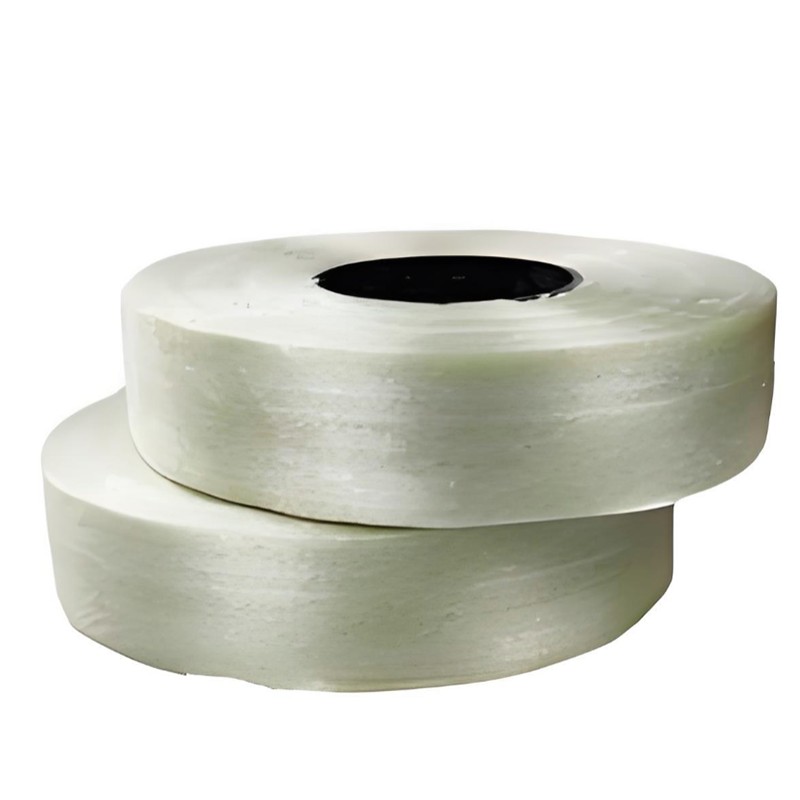
Table of Contents
- 1. Overview of Unidirectional Glass Fiber Tapes
- 2. Material Composition and Structural Design
- 3. How They Work in Electrical and Industrial Systems
- 4. Key Advantages and Performance Benefits
- 5. Industrial Applications and Use Scenarios
- 6. Comparison with Alternative Insulation Materials
- 7. How to Select the Right Glass Fiber Tape
- 8. Common Challenges and Engineering Solutions
- 9. Installation and Maintenance Guidelines
- 10. Frequently Asked Questions
- 11. Conclusion and Professional Recommendation
1. Overview of Unidirectional Glass Fiber Tapes
Unidirectional Glass Fiber Tapes are engineered reinforcement materials composed of continuous glass fibers aligned in a single direction. This structure provides exceptional tensile strength along the fiber axis while maintaining excellent electrical insulation and thermal resistance. These tapes are widely used in high-voltage insulation systems, motor winding reinforcement, transformer protection, and composite strengthening applications.
Unlike woven or bidirectional fabrics, unidirectional tapes concentrate mechanical strength in one primary direction, making them ideal for applications where load direction is predictable and controlled reinforcement is required.
2. Material Composition and Structural Design
The performance of Unidirectional Glass Fiber Tapes depends heavily on their material structure. Typically, they consist of:
- Continuous E-glass or high-strength glass fibers
- Thermosetting or thermoplastic resin systems (optional pre-impregnation)
- Silane coupling agents for improved adhesion
- Optional adhesive backing for ease of application
The unidirectional alignment ensures maximum efficiency in load transfer, reducing weak points that often appear in woven structures.
| Component | Function | Performance Contribution |
|---|---|---|
| Glass Fibers | Primary reinforcement | High tensile strength and insulation |
| Resin System | Binding and protection | Thermal stability and environmental resistance |
| Coupling Agents | Interface bonding | Improved mechanical integrity |
| Adhesive Layer | Installation support | Ease of application and positioning |
3. How They Work in Electrical and Industrial Systems
Unidirectional Glass Fiber Tapes function by distributing mechanical stress along the fiber direction while simultaneously providing a stable dielectric barrier. In electrical systems such as transformers and motors, they act as reinforcement layers that prevent coil deformation under electromagnetic forces and thermal expansion.
The glass fibers themselves are inherently non-conductive, which makes them suitable for high-voltage insulation systems. When combined with resin impregnation, they form a compact, void-free insulating layer that resists partial discharge and dielectric breakdown.
In industrial composites, these tapes enhance structural integrity by improving directional load-bearing capacity, especially in cylindrical or layered assemblies.
4. Key Advantages and Performance Benefits
One of the main reasons engineers prefer Unidirectional Glass Fiber Tapes is their ability to solve multiple operational challenges simultaneously.
- High tensile strength: Excellent reinforcement along fiber direction
- Thermal resistance: Stable performance in high-temperature environments
- Electrical insulation: Prevents leakage currents and improves system safety
- Dimensional stability: Reduces deformation under mechanical stress
- Corrosion resistance: Suitable for harsh chemical and humid environments
- Lightweight structure: Does not significantly increase system weight
These advantages make them especially valuable in power generation, electrical transmission, and industrial manufacturing sectors.
5. Industrial Applications and Use Scenarios
Unidirectional Glass Fiber Tapes are used across a wide range of industries where insulation and reinforcement are critical.
- Transformer coil reinforcement and insulation wrapping
- Electric motor winding protection
- High-voltage cable shielding
- Composite pipe and tank reinforcement
- Aerospace structural components
- Wind energy system reinforcement layers
In transformer manufacturing, companies such as Hanyao integrate these tapes to improve dielectric strength and mechanical reliability, ensuring long-term operational stability.
6. Comparison with Alternative Insulation Materials
| Material | Strength | Insulation | Temperature Resistance | Cost Efficiency |
|---|---|---|---|---|
| Unidirectional Glass Fiber Tape | Very High (directional) | Excellent | High | Medium |
| Polyester Tape | Medium | Good | Moderate | Low |
| Cotton Tape | Low | Moderate | Low | Low |
| Epoxy Resin Sheets | High | Excellent | High | High |
Compared with traditional insulation materials, glass fiber tapes offer a balanced combination of mechanical reinforcement and electrical safety, making them more suitable for modern high-performance systems.
7. How to Select the Right Glass Fiber Tape
Selecting the correct tape depends on operational requirements and environmental conditions. Engineers should consider:
- Operating temperature range
- Voltage insulation requirements
- Mechanical load direction
- Resin compatibility
- Thickness and density requirements
- Installation environment (humidity, chemicals, vibration)
For example, high-voltage transformers require tapes with superior dielectric strength and thermal endurance, while composite reinforcement applications prioritize tensile strength and bonding efficiency.
8. Common Challenges and Engineering Solutions
Despite their advantages, improper selection or installation of glass fiber tapes can lead to performance issues.
- Adhesion failure: Solved by using compatible resin systems
- Fiber misalignment: Prevented through controlled manufacturing processes
- Thermal degradation: Addressed with high-temperature resin coatings
- Moisture absorption: Minimized with protective encapsulation
Manufacturers like Hanyao focus on optimizing production consistency to reduce these risks and ensure stable field performance.
9. Installation and Maintenance Guidelines
Proper installation ensures maximum efficiency and long service life. Recommended practices include:
- Ensure clean and dry surface before application
- Apply uniform tension during wrapping
- Avoid overlapping inconsistencies
- Use compatible curing processes if resin-based
- Inspect periodically for mechanical wear or delamination
When correctly installed, Unidirectional Glass Fiber Tapes can maintain performance stability over extended operational cycles without frequent replacement.
10. Frequently Asked Questions
Q1: What makes unidirectional glass fiber tapes different from woven tapes?
They provide higher strength in one direction, making them ideal for applications with predictable load orientation.
Q2: Are they suitable for high-voltage environments?
Yes, their dielectric properties make them highly suitable for transformer and electrical insulation systems.
Q3: Can they withstand high temperatures?
Most variants are designed for elevated temperature resistance, depending on resin system selection.
Q4: How long is their service life?
Under proper installation and operating conditions, they can last for many years without significant degradation.
Q5: Where are they most commonly used?
They are widely used in transformers, motors, aerospace components, and industrial composites.
11. Conclusion and Professional Recommendation
Unidirectional Glass Fiber Tapes represent a high-performance solution for modern industrial insulation and reinforcement challenges. Their unique directional strength, combined with excellent electrical insulation and thermal stability, makes them indispensable in critical applications where reliability cannot be compromised.
For manufacturers seeking consistent quality and engineering support, Hanyao provides advanced tape solutions designed to meet demanding industrial standards while improving system durability and safety.
To explore tailored solutions or request technical support, contact us today to connect with Hanyao experts and find the right Unidirectional Glass Fiber Tape for your application.