

How Do FRP Gratings Solve Industrial Flooring Challenges?
2026-04-22
Article Abstract
FRP Gratings (Fiberglass Reinforced Plastic Gratings) are rapidly replacing traditional steel and wood flooring systems in industrial environments due to their superior corrosion resistance, lightweight structure, and long-term cost efficiency. This article explores how FRP gratings address critical pain points in modern infrastructure, including safety risks, maintenance costs, and environmental degradation. You will learn their structure, benefits, applications, selection criteria, and real-world use cases to help you make informed procurement decisions.
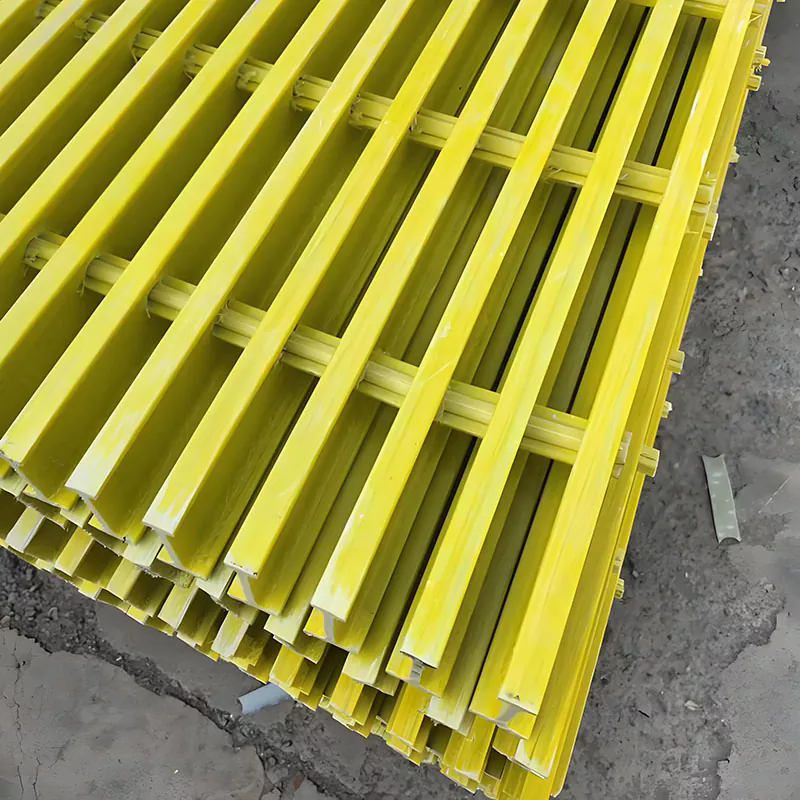
Table of Contents
1. Introduction to FRP Gratings
Industrial environments such as chemical plants, offshore platforms, wastewater treatment facilities, and food processing factories require flooring systems that can withstand extreme conditions. Traditional materials like steel often corrode, while wood deteriorates quickly in moisture-rich environments. FRP gratings offer a modern solution that eliminates these limitations while improving safety and operational efficiency.
2. What Are FRP Gratings?
FRP Gratings are composite materials made from fiberglass reinforcement combined with thermosetting resin. The result is a grid-like structure that is strong, lightweight, and highly resistant to corrosion and chemical exposure.
- Material Composition: Glass fiber + resin matrix
- Structure: Open mesh or molded grid pattern
- Types: Molded FRP gratings and pultruded FRP gratings
Unlike steel, FRP does not rust, and unlike wood, it does not absorb moisture, making it ideal for harsh environments.
3. Key Benefits of FRP Gratings
FRP gratings provide multiple operational advantages that directly solve industrial flooring challenges:
- Corrosion Resistance: Performs well in acidic, alkaline, and saltwater environments.
- Lightweight Design: Easier transportation and installation compared to steel.
- High Strength-to-Weight Ratio: Supports heavy loads while remaining lightweight.
- Anti-Slip Surface: Reduces workplace accidents in wet or oily environments.
- Low Maintenance: No painting, coating, or rust treatment required.
- Electrical Insulation: Safe for electrical and utility platforms.
These advantages translate into reduced downtime and long-term operational savings.
4. Industrial Applications
FRP gratings are widely used across industries due to their adaptability:
- Chemical processing plants
- Oil and gas offshore platforms
- Wastewater treatment facilities
- Marine docks and ship decks
- Food and beverage factories
- Power generation stations
Their corrosion resistance and durability make them particularly valuable in environments where metal failure is common.
5. FRP vs Traditional Materials
| Feature | FRP Gratings | Steel Gratings | Wood Gratings |
|---|---|---|---|
| Corrosion Resistance | Excellent | Poor (requires coating) | Moderate |
| Weight | Light | Heavy | Moderate |
| Maintenance Cost | Very Low | High | Medium |
| Service Life | Long | Medium | Short |
| Safety (Anti-slip) | High | Moderate | Low |
6. Installation & Maintenance
One of the key advantages of FRP gratings is ease of installation. Due to their lightweight nature, they can often be installed without heavy lifting equipment.
Installation Steps:
- Measure and prepare support structure
- Position FRP panels correctly
- Secure using clips or fasteners
- Inspect alignment and load distribution
Maintenance Tips:
- Regular cleaning with water or mild detergent
- Inspect for surface wear in high-load areas
- Avoid exposure to incompatible solvents
7. How to Choose the Right FRP Gratings
Selecting the correct FRP grating depends on application requirements and environmental conditions.
- Load Requirement: Light-duty, medium-duty, or heavy-duty
- Resin Type: Polyester, vinyl ester, or phenolic resin
- Surface Type: Gritted, concave, or smooth surface
- Environmental Exposure: Chemical, marine, or UV exposure level
Proper selection ensures maximum durability and performance efficiency.
8. Frequently Asked Questions
Q1: Are FRP gratings stronger than steel?
FRP gratings have a high strength-to-weight ratio but are not always stronger in absolute load-bearing terms. However, they perform better in corrosive environments.
Q2: Can FRP gratings be used outdoors?
Yes, they are UV-resistant and suitable for long-term outdoor use.
Q3: How long do FRP gratings last?
Typically, they can last 20–30 years depending on environmental conditions and usage.
Q4: Are FRP gratings environmentally friendly?
Yes, their long lifespan and low maintenance requirements reduce material waste and resource consumption.
9. Conclusion
FRP gratings represent a significant advancement in industrial flooring systems, offering a combination of safety, durability, and cost efficiency that traditional materials struggle to match. Their ability to resist corrosion, reduce maintenance costs, and enhance workplace safety makes them a preferred choice for modern infrastructure projects.
For high-quality FRP grating solutions tailored to demanding industrial environments, Jiangsu Ousheng Fiberglass Reinforced Plastic Manufacturing Co., Ltd provides advanced manufacturing capabilities and customized engineering support.
If you are looking to improve your facility’s safety and long-term performance, contact us today to discuss your FRP grating requirements and receive a professional consultation.