
Summary: WPC (Wood Plastic Composite) wall panels are revolutionizing modern interiors by offering durability, easy maintenance, and aesthetic versatility. This article explores the benefits, applications, installation tips, and answers frequently asked questions to help you make an informed choice for your home or commercial space.
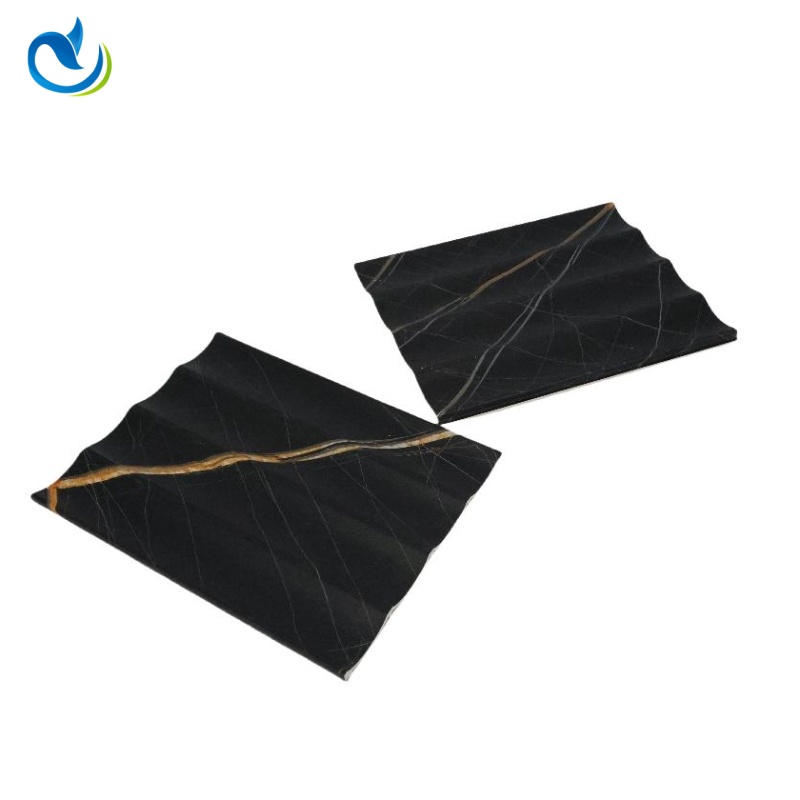
Table of Contents
- What Are WPC Wall Panels?
- Benefits of WPC Wall Panels
- Applications of WPC Wall Panels
- Installation Tips
- Maintenance Guide
- Comparison with Other Wall Materials
- FAQ
What Are WPC Wall Panels?
WPC Wall Panels are innovative building materials made from a blend of wood fibers and plastic composites. They combine the natural look of wood with the durability of synthetic materials, making them resistant to moisture, termites, and decay. Unlike traditional wood panels, WPC panels do not warp, crack, or require constant painting, providing a long-lasting and eco-friendly solution for modern interior and exterior walls.
Benefits of WPC Wall Panels
- Durability: Resistant to moisture, termites, and decay.
- Low Maintenance: Easy to clean with a damp cloth, no need for polishing or painting.
- Aesthetic Variety: Available in multiple colors, textures, and finishes to match any interior design.
- Eco-Friendly: Made from recycled materials, reducing environmental impact.
- Cost-Effective: Long lifespan reduces replacement costs compared to traditional materials.
Applications of WPC Wall Panels
WPC Wall Panels are versatile and can be used across multiple scenarios:
- Residential Spaces: Living rooms, bedrooms, kitchens, and bathrooms.
- Commercial Spaces: Offices, restaurants, hotels, and retail stores.
- Exterior Walls: Facades, boundary walls, and outdoor cladding.
- Decorative Panels: Accent walls, partitions, and ceilings.
Installation Tips
Proper installation ensures longevity and performance. Key tips include:
- Surface Preparation: Ensure the wall is dry, clean, and level before installation.
- Panel Alignment: Start from a corner and work sequentially to maintain consistency.
- Fastening: Use recommended screws or adhesives; avoid over-tightening.
- Expansion Gap: Leave small gaps between panels to accommodate expansion and contraction.
- Finishing: Seal edges and joints to prevent moisture infiltration.
Maintenance Guide
WPC Wall Panels require minimal upkeep. Follow these simple steps:
- Regularly dust with a soft cloth or use a mild detergent for stubborn stains.
- Avoid using harsh chemicals or abrasive tools.
- Inspect periodically for minor scratches; minor damages can often be polished out.
- Ensure proper ventilation in damp areas to avoid mold buildup.
Comparison with Other Wall Materials
| Feature | WPC Wall Panels | Wood Panels | PVC Panels |
|---|---|---|---|
| Durability | High | Medium | High |
| Moisture Resistance | Excellent | Poor | Good |
| Maintenance | Low | High | Medium |
| Aesthetic Options | Wide Variety | Natural Wood Only | Limited |
| Eco-Friendliness | High (Recycled Material) | Medium | Low |
FAQ
Q1: Are WPC Wall Panels waterproof?
A1: WPC Wall Panels are highly moisture-resistant, making them suitable for kitchens, bathrooms, and outdoor spaces.
Q2: Can WPC panels be painted?
A2: Yes, WPC panels can be painted if you want a custom color, but they come in a wide variety of pre-finished colors and textures.
Q3: How long do WPC Wall Panels last?
A3: With proper installation and care, WPC panels can last 15-20 years or more.
Q4: Are they environmentally friendly?
A4: Absolutely. They are made from recycled wood fibers and plastic, reducing environmental impact compared to traditional wood panels.
Q5: Where can I purchase high-quality WPC Wall Panels?
A5: Arris Import and Export Co., Ltd. offers premium WPC Wall Panels.
For inquiries and orders, contact us today to enhance your space with long-lasting, stylish wall solutions.