

How Can Candle Dyes Improve the Color Quality and Market Appeal of Handmade Candles?
2026-07-10
Article Summary
Candle color plays an essential role in product appearance, customer attraction, and brand identity. Choosing the right candle dyes can help candle manufacturers and handmade candle creators achieve stable, vibrant, and long-lasting colors while maintaining candle performance. This article explains how candle dyes work, how to select suitable coloring solutions, common problems during candle production, and practical methods to improve candle quality. With professional candle material solutions from Nanjing FNAT, businesses can create visually appealing candles that meet different market requirements.
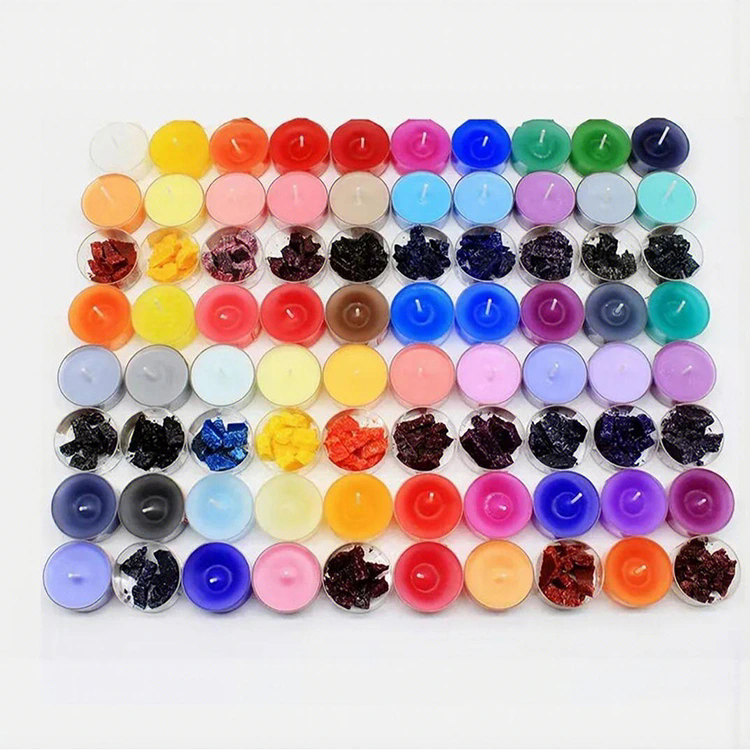
Table of Contents
- 1. Understanding the Importance of Candle Dyes
- 2. Common Challenges When Choosing Candle Dyes
- 3. How to Select the Right Candle Dyes for Different Candle Types
- 4. Key Benefits of Using High-Quality Candle Dyes
- 5. Application Process and Best Practices
- 6. Comparison of Different Candle Coloring Methods
- 7. How Candle Dyes Influence Candle Quality and Customer Experience
- 8. Frequently Asked Questions About Candle Dyes
1. Understanding the Importance of Candle Dyes
Candles are no longer only functional lighting products. Modern consumers purchase candles for decoration, relaxation, celebrations, gifts, and lifestyle experiences. Because of this change, color has become one of the most important factors influencing buying decisions.
Candle dyes are specially developed coloring materials designed to blend with wax and create attractive shades without negatively affecting candle burning performance. Compared with ordinary pigments or unsuitable coloring agents, professional candle dyes provide better dispersion, stronger color consistency, and improved compatibility with different wax systems.
For candle manufacturers, choosing reliable coloring materials is essential because uneven colors, fading issues, or poor burning performance can reduce customer satisfaction. High-quality candle dyes allow producers to develop creative product lines, seasonal collections, and customized candle designs.
| Key Factor | Impact on Candle Production |
|---|---|
| Color Stability | Ensures candles maintain attractive appearance during storage and use. |
| Wax Compatibility | Helps dyes mix evenly with different wax materials. |
| Burning Performance | Prevents unwanted effects on flame quality and candle structure. |
| Color Variety | Supports creative designs and customized products. |
2. Common Challenges When Choosing Candle Dyes
Many candle producers face difficulties when selecting coloring materials. Although adding color seems simple, the wrong dye choice can create production problems and affect final product quality.
- Uneven Color Distribution: Low-quality dyes may not dissolve properly in wax, resulting in inconsistent shades or visible color spots.
- Color Fading: Some coloring materials lose brightness after long-term storage or exposure to light.
- Impact on Burning: Unsuitable additives may influence candle melting behavior, wick performance, or flame stability.
- Limited Color Options: Manufacturers need flexible color solutions to satisfy different customer preferences.
- Production Efficiency Issues: Poor dye dispersion can increase mixing time and create additional manufacturing costs.
To solve these challenges, businesses should work with experienced suppliers that understand candle manufacturing requirements and provide consistent coloring solutions.
3. How to Select the Right Candle Dyes for Different Candle Types
Different candle applications require different coloring solutions. Before choosing candle dyes, manufacturers should consider wax type, candle design, production process, and final usage environment.
| Candle Type | Recommended Considerations | Color Requirements |
|---|---|---|
| Scented Candles | Dyes should maintain compatibility with fragrance ingredients. | Soft and elegant colors are often preferred. |
| Pillar Candles | Color stability and surface appearance are important. | Strong and uniform shades are required. |
| Container Candles | Dyes should perform well in glass or decorative containers. | Clear and attractive colors improve presentation. |
| Decorative Candles | Creative coloring flexibility is necessary. | Wide color selection supports unique designs. |
Manufacturers should also evaluate factors such as melting temperature, mixing process, and desired color intensity. Testing small batches before large-scale production is an effective way to ensure the final result meets expectations.
4. Key Benefits of Using High-Quality Candle Dyes
Professional candle dyes provide multiple advantages for both industrial candle producers and handmade candle businesses.
- Excellent Color Performance: High-quality dyes create bright and attractive candle colors with consistent results.
- Better Product Differentiation: Unique colors help brands develop recognizable candle collections.
- Improved Customer Satisfaction: Beautiful appearance increases consumer confidence and purchase interest.
- Efficient Manufacturing: Properly formulated dyes reduce production difficulties and improve workflow.
- Creative Freedom: A broad range of colors allows designers to create customized candle styles.
Nanjing FNAT provides professional candle dye solutions designed to meet the needs of candle manufacturers looking for reliable coloring materials and stable production performance.
5. Application Process and Best Practices
Using candle dyes correctly is important for achieving the desired color effect. The general application process includes several key steps:
- Select Suitable Dye Type: Choose a dye according to wax material, candle application, and required color effect.
- Measure Proper Quantity: Add an appropriate amount of dye to avoid excessive coloring or performance changes.
- Control Temperature: Maintain suitable wax temperature to help the dye dissolve evenly.
- Mix Thoroughly: Ensure complete dispersion throughout the wax mixture.
- Conduct Testing: Check color appearance, burning performance, and stability before mass production.
Following proper procedures helps manufacturers achieve consistent candle quality and reduce unnecessary material waste.
6. Comparison of Different Candle Coloring Methods
| Coloring Method | Advantages | Limitations |
|---|---|---|
| Candle Dyes | Excellent color blending, smooth appearance, and suitable for various candle designs. | Requires proper selection and dosage control. |
| Pigments | Can create strong visual effects. | May affect transparency and burning characteristics. |
| Natural Color Materials | Provides a natural product concept. | Color stability may vary depending on materials. |
For commercial candle production, candle dyes are widely preferred because they provide a balance between appearance, performance, and manufacturing efficiency.
7. How Candle Dyes Influence Candle Quality and Customer Experience
A candle's visual appearance creates the first impression before customers experience its fragrance or burning performance. Attractive colors can communicate product value, enhance packaging design, and support premium positioning.
For businesses selling candles in competitive markets, consistent coloring is especially important. Customers expect products from the same collection to maintain similar appearance. Reliable candle dyes help manufacturers achieve batch-to-batch consistency and strengthen brand reputation.
In addition, carefully selected candle dyes can support different market trends, including minimalist home decoration, luxury candles, seasonal products, and personalized gifts.
8. Frequently Asked Questions About Candle Dyes
Q1: What are candle dyes used for?
Candle dyes are coloring materials specifically designed to add color to candle wax. They help manufacturers create attractive candles with stable and consistent shades.
Q2: Can candle dyes affect candle burning performance?
Yes. Using unsuitable coloring materials or excessive amounts may influence candle structure and burning behavior. Professional candle dyes are designed to minimize these effects when properly applied.
Q3: Are candle dyes suitable for different types of wax?
Many candle dyes are developed for compatibility with common wax materials, but testing is recommended when using new wax formulas or special candle applications.
Q4: How can manufacturers achieve consistent candle colors?
Manufacturers should use reliable candle dyes, control production conditions, maintain accurate measurements, and perform quality checks during production.
Q5: Why should businesses choose professional candle dye suppliers?
Professional suppliers can provide stable product quality, technical support, and customized solutions that help candle manufacturers improve production efficiency and product appearance.
Conclusion
Candle dyes are an essential component for creating high-quality candles with attractive colors and reliable performance. From handmade candle studios to large-scale manufacturers, selecting the right coloring solution can improve product value, strengthen brand identity, and satisfy changing customer demands.
With professional experience and advanced candle material solutions, Nanjing FNAT supports candle producers in developing high-quality products with excellent color performance. If you are looking for reliable candle dyes and customized solutions for your candle business, please contact us today to discuss your requirements.