

How Can a 100% Cotton Canvas Bag Solve Everyday Carry and Packaging Challenges?
2026-08-25
Article Summary: A well-designed 100% Cotton Canvas Bag can do much more than replace a disposable shopping bag. Its natural fabric, reusable construction, breathable structure, printable surface, and adaptable designs make it suitable for retail packaging, promotional campaigns, shopping, commuting, events, and everyday carrying. However, choosing the right canvas weight, handle construction, dimensions, printing method, and finishing details is essential if a bag needs to withstand repeated use while maintaining a professional appearance. This guide explains the practical factors buyers should consider and how Bonnie can support customized canvas bag requirements.
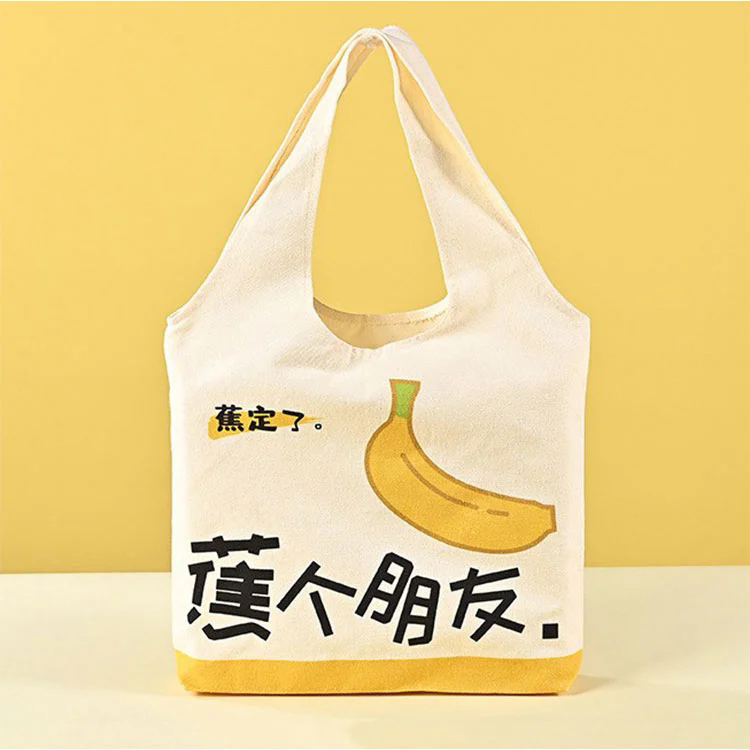
Table of Contents
- Article Outline
- Why Is 100% Cotton Canvas a Practical Bag Material?
- What Customer Problems Can a Cotton Canvas Bag Solve?
- What Features Should You Examine Before Buying?
- Where Can a 100% Cotton Canvas Bag Be Used?
- How Does Customization Improve a Canvas Bag?
- How Does Cotton Canvas Compare With Common Bag Materials?
- How Can Buyers Select the Right Canvas Bag?
- How Should a Cotton Canvas Bag Be Maintained?
- Why Consider Bonnie for 100% Cotton Canvas Bags?
- Frequently Asked Questions
- Conclusion
Article Outline
- Material fundamentals: Understanding the characteristics that make cotton canvas suitable for reusable bags.
- Customer challenges: Addressing durability, appearance, branding, comfort, and repeated-use requirements.
- Product selection: Evaluating fabric, dimensions, handles, base construction, printing, and finishing.
- Applications: Exploring retail, promotional, event, shopping, commuting, and packaging uses.
- Maintenance: Practical cleaning and storage considerations for longer service life.
- Supplier selection: Understanding how customization and manufacturing capabilities affect the final product.
Why Is 100% Cotton Canvas a Practical Bag Material?
A bag has to balance several requirements at the same time. Customers want something comfortable to carry, businesses want a surface that represents their brand well, and purchasers need a product that can withstand repeated handling. Material selection therefore has a direct influence on the usefulness and perceived quality of the finished bag.
A 100% Cotton Canvas Bag is made from cotton fibers woven into a comparatively sturdy fabric. Unlike very thin packaging materials, canvas provides a substantial textile surface that can be reused for shopping, commuting, storage, events, and promotional activities.
The material also has a naturally textile appearance. Depending on the fabric weight, weave, color, and finishing process, a cotton canvas bag can have a casual, premium, minimalist, vintage, or promotional appearance. This versatility makes it suitable for companies that want packaging to remain useful after the initial purchase.
Bonnie's product range includes cotton canvas bag solutions designed for different practical and promotional requirements, including options with reinforced handles, widened bases, and customized printing. The company describes its cotton canvas bags as suitable for applications such as shopping and daily travel.
What Customer Problems Can a Cotton Canvas Bag Solve?
Many bag buyers are not simply looking for a container. They are trying to solve several operational and branding problems simultaneously. The right canvas bag can address these concerns when its construction is properly matched to the intended application.
1. Replacing Short-Lived Disposable Packaging
A reusable fabric bag can remain in circulation for many shopping trips instead of being discarded after a single transaction. This gives retailers and brands an opportunity to provide packaging that continues to be useful after the original purchase.
2. Improving Carrying Comfort
Handle design is particularly important when customers need to carry products for extended periods. Proper handle length, attachment, width, and reinforcement can significantly influence the carrying experience.
3. Creating a Better Branding Surface
A plain canvas bag already has a recognizable textile appearance, but printing can turn the entire outer surface into a communication tool. Logos, illustrations, slogans, product information, and campaign graphics can be incorporated according to the project's requirements.
4. Supporting Repeated Use
Repeated use places greater demands on seams, handles, fabric, and the bottom of the bag. For heavier contents or frequent transportation, buyers should pay particular attention to reinforced stress points and base construction rather than focusing only on appearance.
5. Offering More Flexible Packaging
A reusable canvas bag can serve different functions throughout its useful life. A retail customer may initially use it for carrying purchased goods and later use it for groceries, books, clothing, work supplies, or personal belongings.
What Features Should You Examine Before Buying?
Not every canvas bag is designed for the same workload. Before placing an order, buyers should evaluate the complete construction rather than judging the product solely by its fabric name.
| Feature | Why It Matters | What Buyers Should Check |
|---|---|---|
| Fabric | Influences strength, appearance, hand feel, and overall structure. | Cotton composition, fabric weight, weave, and intended load. |
| Handles | Handles receive concentrated loads during carrying. | Length, width, attachment method, and reinforcement. |
| Bottom | A wider or reinforced base can improve capacity and stability. | Flat base, gusset, stitching, and intended contents. |
| Dimensions | Determines how efficiently products fit inside. | Width, height, depth, and usable internal volume. |
| Printing | Determines how effectively the bag communicates a brand or campaign. | Artwork, print location, colors, and required visual finish. |
| Color | Affects brand consistency and overall appearance. | Natural, neutral, custom, or branded colors. |
Bonnie's product information highlights several practical features, including natural cotton construction, breathability, printable surfaces, reinforced handles, widened bases, and customization possibilities. These characteristics can be adapted to different use scenarios rather than treating every canvas bag as an identical product.
Where Can a 100% Cotton Canvas Bag Be Used?
The flexibility of canvas allows one basic bag concept to serve multiple markets. Its applications can be divided into several major categories.
- Retail shopping: Stores can provide reusable bags for clothing, accessories, gifts, groceries, and general merchandise.
- Promotional campaigns: Companies can print logos, campaign graphics, contact information, or messages on the bag.
- Trade shows: Exhibitors can use branded bags to distribute brochures, samples, catalogs, and promotional products.
- Events: Conferences, exhibitions, workshops, and community activities can use customized bags as practical event merchandise.
- Corporate gifts: A branded canvas bag can accompany products or function as part of a company gift package.
- Daily commuting: Customers can use larger canvas bags for books, documents, clothing, and personal items.
- Travel: Canvas bags can be used as secondary carry bags for lightweight travel organization.
- Specialty packaging: Brands can replace conventional disposable packaging with a reusable textile alternative.
The most important consideration is matching construction to the application. A lightweight promotional bag may be appropriate for brochures and small items, while a shopping bag intended for heavier merchandise may require stronger fabric, reinforced handles, and a more substantial bottom structure.
How Does Customization Improve a Canvas Bag?
Customization changes a generic bag into a product that can communicate a specific brand identity. For businesses, this can be especially valuable because the bag may continue to appear in public after the original purchase.
Customization can involve more than printing a logo. Depending on the manufacturing program, buyers may consider:
- Bag dimensions
- Fabric weight
- Bag color
- Handle length
- Handle width
- Bottom construction
- Logo placement
- Printed artwork
- Internal or external pockets
- Packaging requirements
For example, a bookstore may need a deeper bag that comfortably holds books, while a fashion retailer may prioritize proportions and a refined printed appearance. A trade-show organizer may instead require a lightweight bag with a large printable area.
Bonnie supports customized cotton canvas bag solutions, including different sizes, colors, logos, and OEM/ODM requirements. This allows buyers to develop the product around a specific use case rather than selecting only from a fixed standard design.
How Does Cotton Canvas Compare With Common Bag Materials?
Material selection should always be based on application requirements. Cotton canvas is not automatically the best option for every situation, but it provides a useful combination of textile appearance, reusability, comfort, and customization.
| Material | Typical Advantage | Potential Consideration | Common Applications |
|---|---|---|---|
| 100% Cotton Canvas | Reusable, textile feel, printable surface | May require careful washing and drying | Shopping, promotions, retail packaging |
| Polyester | Lightweight and versatile | Different hand feel and visual character | Promotional and utility bags |
| Paper | Convenient for many retail applications | Generally designed for shorter-term use | Retail and gift packaging |
| Nonwoven Fabric | Lightweight and economical | Different texture and structural characteristics | Promotional distribution and events |
The key question is not simply which material is strongest. Buyers should consider the desired appearance, carrying frequency, load, branding requirements, budget, washing expectations, and expected product lifespan.
How Can Buyers Select the Right Canvas Bag?
A systematic purchasing process can prevent common problems such as undersized bags, uncomfortable handles, insufficient load capacity, or printing that does not match the intended brand image.
Step 1: Define the Intended Contents
Start with the products that will actually be carried. Measure typical package dimensions and estimate the maximum practical load. This gives the manufacturer a clearer basis for recommending bag dimensions and construction.
Step 2: Determine the Carrying Frequency
A promotional giveaway used occasionally may have different requirements from a retail bag expected to be reused frequently. Higher-use applications justify closer attention to fabric weight, seams, handles, and the base.
Step 3: Choose the Bag Structure
Flat bags are simple and convenient for many lightweight products. Bags with a widened or gusseted bottom provide more volume and can stand more naturally when filled.
Step 4: Plan the Branding
Decide whether the bag needs a small logo, large graphic, multiple colors, text, or artwork covering a significant portion of the exterior. Artwork should be considered before finalizing dimensions and production specifications.
Step 5: Confirm Handle Requirements
Handle length should correspond to the way customers will carry the bag. Hand-carry applications and shoulder-carry applications may require different handle dimensions.
Step 6: Request a Sample When Appropriate
A physical sample can reveal details that specifications alone cannot fully communicate, including fabric hand feel, seam quality, handle comfort, print appearance, and overall proportions.
How Should a Cotton Canvas Bag Be Maintained?
Even a well-made canvas bag benefits from appropriate care. Cotton fabric can respond to washing, moisture, heat, and sunlight differently from synthetic materials, so careless cleaning may affect its dimensions, color, or appearance.
For routine cleaning, Bonnie recommends using a mild detergent and either hand washing or selecting a gentle machine-washing cycle. Vigorous rubbing and prolonged soaking should be avoided. After washing, the bag should be laid flat to dry, while excessive direct sunlight should be avoided to help reduce the risk of fading or shrinkage.
For everyday use, several simple habits can also help:
- Remove heavy debris before washing.
- Empty the bag completely before cleaning.
- Follow the care instructions provided for the specific fabric and printing process.
- Avoid unnecessarily aggressive detergents.
- Allow the bag to dry thoroughly before storage.
- Store the bag in a clean, dry location.
- Do not overload a bag beyond its intended construction.
Proper care is particularly important for customized bags because repeated exposure to harsh cleaning conditions can affect printed graphics as well as the fabric.
Why Consider Bonnie for 100% Cotton Canvas Bags?
Choosing a supplier involves more than comparing a unit price. For customized projects, manufacturing capability, product consistency, communication, and the ability to adjust specifications can have a significant effect on the final result.
Bonnie is a professional manufacturer and supplier of 100% Cotton Canvas Bags in China. The company's product information indicates that it provides factory-direct production and supports wholesale requirements. Its canvas bag range includes different constructions intended for shopping, daily travel, promotional use, and eco-conscious branding programs.
Bonnie's product offering also includes customization options for dimensions, colors, logos, and OEM/ODM projects. This is particularly useful for buyers who need a bag to match a specific retail package, marketing campaign, event, or corporate identity.
When evaluating a supplier, buyers should discuss the following points before confirming production:
- Required fabric composition and weight
- Finished bag dimensions
- Handle construction and reinforcement
- Bottom design
- Printing requirements
- Color specifications
- Expected quantity
- Packaging requirements
- Sample approval process
- Production and delivery schedule
A clear specification reduces misunderstandings and makes it easier for both the buyer and manufacturer to evaluate the finished product against the original requirements.
Frequently Asked Questions
1. What is a 100% Cotton Canvas Bag?
A 100% Cotton Canvas Bag is a reusable bag made from cotton canvas fabric. The woven textile construction gives it a distinct fabric appearance and makes it suitable for shopping, promotional, packaging, commuting, and other everyday applications.
2. Is cotton canvas suitable for promotional bags?
Yes. Cotton canvas provides a visible textile surface that can be customized with logos, artwork, slogans, and other brand elements. The bag can continue to function as a useful carrying item after an event or promotional campaign.
3. Can a cotton canvas bag be customized?
Yes. Depending on the manufacturer and project, customization may include size, color, logo, printing, handle design, bottom construction, and other specifications. Bonnie provides customized cotton canvas bag solutions for OEM and ODM requirements.
4. Are cotton canvas bags suitable for shopping?
They can be well suited to shopping when the fabric weight, handle structure, seams, and bottom construction are selected according to the expected load. For heavier products, buyers should specify reinforcement and appropriate dimensions.
5. What is the advantage of a wider bag bottom?
A widened or gusseted base can increase usable volume and help the bag accommodate larger or irregularly shaped products. It can also improve stability when the bag is placed on a surface.
6. How should a cotton canvas bag be cleaned?
A mild detergent and gentle washing method are generally preferable. Avoid excessive rubbing and prolonged soaking, and dry the bag carefully. For customized products, buyers should also follow any specific care instructions associated with the printing process.
7. Can cotton canvas bags be used as retail packaging?
Yes. They can combine packaging and long-term utility, allowing customers to reuse the bag for shopping or everyday carrying after leaving the store.
8. What should I tell a manufacturer before requesting a quotation?
Provide the desired dimensions, fabric requirements, quantity, handle style, bag construction, printing artwork, colors, packaging requirements, and intended application. The more complete the specification, the easier it is for the manufacturer to prepare an appropriate quotation.
Conclusion
A 100% Cotton Canvas Bag is valuable because it can combine practical carrying performance with a reusable textile format and a highly visible branding surface. However, the fabric alone does not determine the quality of the finished product. Dimensions, fabric weight, handle reinforcement, bottom construction, printing, and manufacturing consistency all contribute to whether a bag performs well in real-world use.
For retailers, promotional agencies, event organizers, wholesalers, and brands, the most effective approach is to define the intended application first and then build the bag specification around actual customer needs. A well-matched design can improve carrying comfort, extend useful service, strengthen brand visibility, and provide packaging that remains useful beyond the original transaction.
Bonnie provides 100% Cotton Canvas Bag manufacturing and customization options for buyers seeking practical, reusable, and brand-ready bag solutions. If you are planning a wholesale, promotional, retail, OEM, or ODM canvas bag project, contact us to discuss your required size, fabric, printing, construction, and customization specifications.