

How Are Metal Sports Medals Shaping Recognition Standards in Competitive Events?
2025-12-16
Metal Sports Medals have long served as tangible symbols of achievement across athletic, academic, and cultural competitions. From international tournaments to community-level sporting events, these medals represent recognition, honor, and lasting memory. The purpose of this article is to examine Metal Sports Medals from a professional and technical perspective, focusing on how they are designed, specified, produced, and applied in today’s global market.
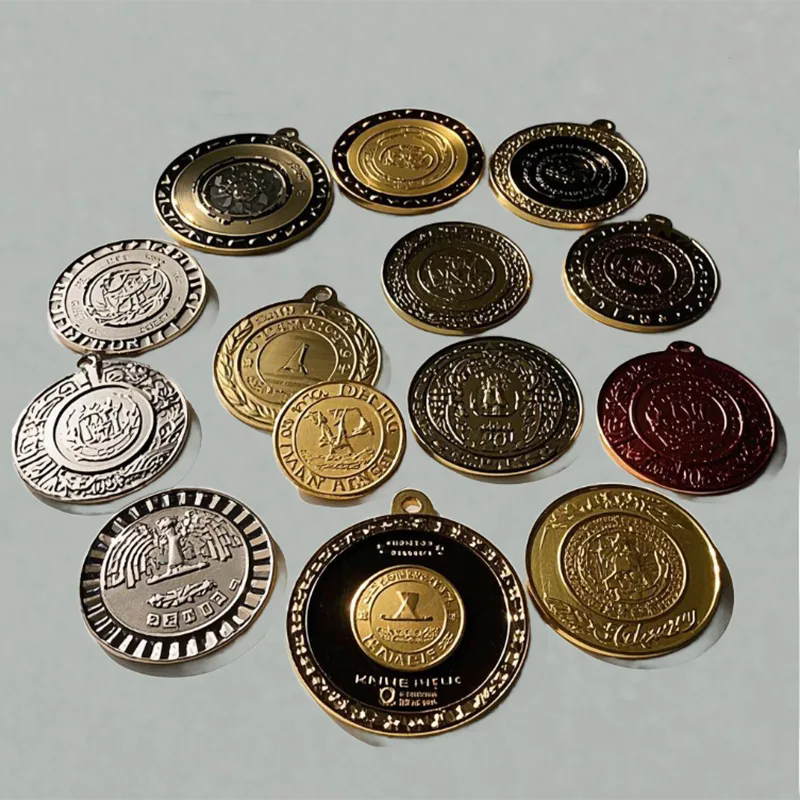
How Are Metal Sports Medals Defined by Material, Structure, and Technical Parameters?
Metal Sports Medals are award items manufactured primarily from metallic materials through stamping, die-casting, or CNC machining processes. They are designed to commemorate performance rankings or participation in competitive activities. The defining characteristics of a Metal Sports Medal lie in its material composition, dimensional accuracy, surface treatment, and structural durability.
Core Materials and Composition
Common metals used include zinc alloy, iron, brass, stainless steel, and aluminum. Zinc alloy remains the most widely adopted due to its balance between cost efficiency, moldability, and surface finish potential. Brass and stainless steel are often selected for premium or commemorative editions requiring higher density and corrosion resistance.
Dimensional and Structural Parameters
While medal dimensions vary by event type, industry standards typically range between 50 mm and 90 mm in diameter, with thicknesses from 2.0 mm to 5.0 mm. Weight considerations are directly tied to material density and thickness, influencing both perceived value and wearability.
Below is a representative overview of standard Metal Sports Medal parameters:
| Parameter | Typical Range | Description |
|---|---|---|
| Diameter | 50–90 mm | Determines visual prominence |
| Thickness | 2.0–5.0 mm | Affects durability and weight |
| Material | Zinc alloy / Brass / Iron | Defines cost and finish |
| Surface Finish | Polished / Antique / Matte | Visual and tactile quality |
| Plating Options | Gold / Silver / Bronze / Nickel | Classification and aesthetics |
| Attachment | Ribbon loop / Eyelet | Wearability and display |
Surface Treatment and Detailing
Surface treatments include electroplating, painting, enamel filling, laser engraving, and sandblasting. These processes enhance visual clarity of logos, text, and patterns while protecting the medal from oxidation and wear. Precision in detailing is critical, particularly for events where branding accuracy and legibility are essential.
How Do Metal Sports Medals Function Across Different Event Scenarios?
Metal Sports Medals function not only as awards but also as communication tools that reflect event identity, organizational standards, and cultural values. Their application varies significantly depending on event scale and purpose.
Application Across Event Types
In professional sports tournaments, medals must comply with strict design and quality standards, ensuring consistency across large production volumes. In contrast, school competitions or local sports meets often prioritize customization flexibility and cost control.
Metal Sports Medals are widely used in:
-
International and regional sports tournaments
-
School and university athletic programs
-
Corporate sports days and team-building events
-
Marathon, cycling, and endurance competitions
-
Martial arts, gymnastics, and e-sports events
Functional Design Considerations
Design functionality includes ease of wearing, comfort during ceremonies, and long-term preservation. Ribbon attachment methods must withstand repeated movement, while medal edges are typically chamfered or rounded to prevent wear discomfort.
Symbolic and Archival Value
Beyond immediate presentation, Metal Sports Medals often serve as archival items retained for decades. Material stability, plating adhesion, and engraving permanence are therefore essential considerations. Event organizers increasingly view medals as long-term representations of institutional credibility.
How Is Quality Ensured in the Production and Customization of Metal Sports Medals?
Quality control in Metal Sports Medal manufacturing begins at the design stage and continues through material sourcing, tooling, casting, finishing, and final inspection. Each stage contributes directly to product consistency and compliance with client specifications.
Tooling and Mold Development
Precision molds are developed using CNC machining to ensure dimensional accuracy. Mold longevity is particularly important for high-volume orders, where wear resistance directly impacts unit consistency.
Customization Capabilities
Customization is a defining feature of Metal Sports Medals. This includes:
-
Custom shapes beyond standard round formats
-
Event-specific logos and typography
-
Sequential numbering or naming
-
Dual-sided relief or recessed designs
Customization does not only affect aesthetics; it also impacts production timelines and cost structures. Clear design documentation and pre-production samples are standard practice in professional manufacturing environments.
Inspection and Compliance
Final inspections typically cover weight tolerance, plating thickness, color consistency, and attachment strength. Reputable manufacturers implement multi-stage inspection protocols to minimize defect rates and ensure shipment readiness.
How Is the Metal Sports Medal Market Evolving in a Global Context?
The global market for Metal Sports Medals continues to evolve alongside changes in sports participation, branding expectations, and sustainability awareness. Event organizers are increasingly attentive to material sourcing transparency and production ethics.
Market Demand Trends
Growth in amateur and semi-professional sports events has expanded demand for mid-volume, highly customized medals. At the same time, international events maintain demand for premium, high-specification products with stringent quality benchmarks.
Design and Production Outlook
Advancements in digital modeling and rapid prototyping have shortened development cycles. Manufacturers are adopting more efficient plating processes and recyclable materials to align with emerging regulatory and environmental expectations.
Brand Integration and Long-Term Partnerships
As buyers seek consistency across recurring events, long-term supplier relationships have become more common. Brands that demonstrate stable production capacity, technical expertise, and responsive communication are positioned to support these ongoing needs.
Within this evolving landscape, Tangwu has established itself as a brand focused on precision manufacturing, reliable customization, and structured quality management for Metal Sports Medals. By aligning technical standards with practical application needs, Tangwu supports event organizers seeking dependable award solutions.
For organizations planning upcoming competitions or reviewing medal sourcing strategies, engaging directly with an experienced manufacturer can streamline decision-making and reduce operational risk. Contact us to discuss specifications, production timelines, and customization requirements in detail, and to explore how Metal Sports Medals can be aligned with the standards of your next event.