

Top 10 Eco-Friendly Packaging Ideas for a Greener Business
2026-11-16
Customers today don’t just read labels—they notice the box, the wrap, the tape, and the story those choices tell. If your packaging still feels disposable in every sense, you’re leaving trust on the table. The good news? Greener options no longer mean dull kraft paper and a recycled logo. From molded pulp inserts to algae-based inks, the next wave of sustainable packaging looks sharp, protects products, and cuts waste without cutting corners. At Imagine Craft Packaging, we’ve watched these ideas turn one-time buyers into repeat fans. Here are ten eco-friendly packaging ideas worth stealing before your competitors do.
Mushroom Cushioning That Breaks Down in Your Garden
Most protective packaging is built for a single job: survive the trip, then sit in a landfill for a few hundred years. Mushroom cushioning flips that logic. It starts as agricultural waste like corn stalks or hemp hurd, gets inoculated with mycelium, and grows into a solid foam-like shape in about a week. No petroleum, no synthetic binders, no mystery additives. The result feels a bit like cork or dense Styrofoam, but with a completely different end-of-life story.
Once you're done unpacking, you can snap the material into chunks and bury them in your garden bed. The mycelium has already been heat-treated to stop growth, so it's inert, but the organic structure breaks down readily with moisture and soil microbes. Within 30 to 90 days, depending on your soil temperature and how small you break it, it'll be gone—leaving behind nothing but a little extra organic matter for your plants.
That backyard compostability isn't a gimmick. It changes how people handle unboxing. Instead of wrestling with plastic peanuts or cutting through layers of foam board, you can toss the cushioning into a compost pile, use it as a moisture-retaining mulch, or simply crumble it under a shrub. For anyone who gardens and shops online, it's a rare piece of packaging that actually belongs in the yard rather than the trash.
Paper Tape That Ends the Plastic Recycling Confusion
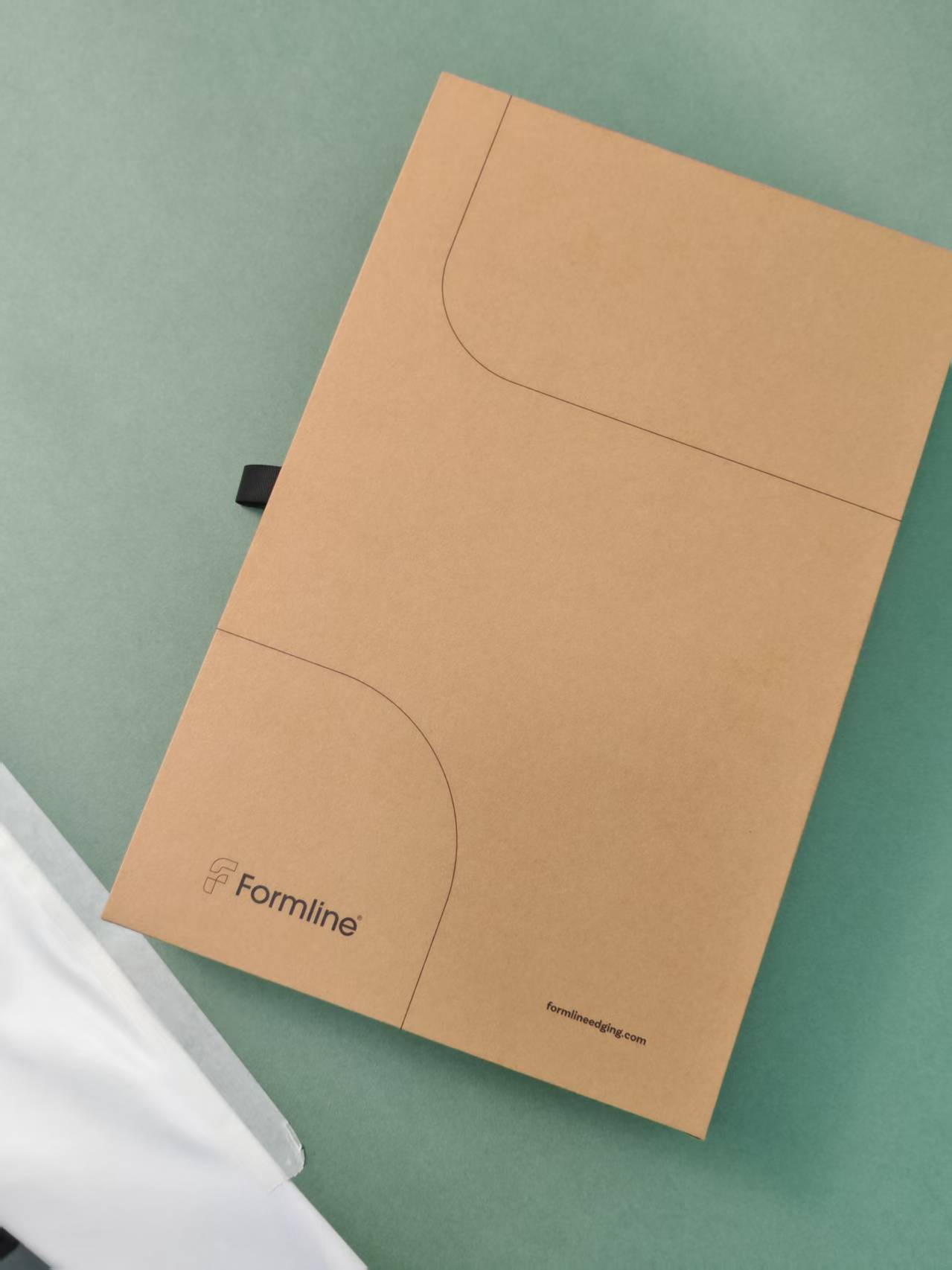
Most curbside programs still refuse to accept padded mailers or boxes sealed with standard plastic tape because the adhesive and film contaminate the fiber stream. Paper tape with a natural rubber adhesive changes that math. It can stay on the carton, break down during repulping, and never forces the homeowner to slice off strips of polypropylene before tossing the box into the blue bin.
The confusion usually starts at the kitchen counter: this envelope has a plastic window, that box has a glossy coating, the other one is wrapped in filament-reinforced strapping. A single roll of recyclable paper tape removes the guessing game from the most common step, closing and sealing the box. You no longer need a separate workflow for “remove the plastic before recycling” because the seal itself is part of the paper stream.
Brands and fulfillment centers notice the difference immediately. When incoming boxes arrive sealed with paper tape, the downstream bale quality improves and the amount of tape screened out at the pulper drops. Instead of training staff to spot and strip plastic tape, operations can treat the entire carton as one material. That one switch ends the sorting debate before it starts.
Boxes Designed to Become a Second Product
The box holding the product was never meant to be thrown away after opening. Instead, it slips into a second life as a storage tray, a desk organizer, or even a small planter once the inner packaging is removed. The cardboard is thick enough to survive daily use, and the printed instructions double as decorative patterns that no longer need to be hidden.
Cut lines and fold marks are subtly pre-creased so that transforming the box takes less than a minute. A shoebox becomes a magazine holder, a shipping carton becomes a toy garage, and a gift box becomes a drawer divider. Because the exterior avoids glossy coatings, it accepts paint, markers, or fabric wraps without peeling, letting each person finish the second product in their own way.
This approach changes how the package feels in hand. It has a heavier, more deliberate structure, and the seam edges are clean rather than stapled or roughly glued. Once the original item is taken out, there is no awkward moment of deciding whether to keep or discard the box — the next job is already printed lightly on one side.
Algae Ink Labels That Skip the Petrochemicals
Most ink starts with a barrel of crude oil, but algae ink takes a different route. The pigments and binders are grown in shallow ponds or bioreactors, then concentrated into a printing fluid that behaves like conventional ink without dragging fossil carbon into the supply chain. It’s a quiet swap that removes a surprising amount of petrochemical input from something as ordinary as a shipping label.
The appeal isn’t just the source material; it’s the way the whole production loop changes. Algae can be harvested repeatedly, needs no arable land, and pulls carbon dioxide out of the air while it grows. For brands that print millions of labels a year, switching to algae-based inks lowers the footprint of packaging without forcing a redesign of their presses or a change in print quality.
There’s also a practical reason this is catching on with smaller studios and larger manufacturers alike. Because algae cells can be tuned to produce deep blacks and stable colors, the inks don’t demand exotic equipment or slower drying times. Label converters can keep their existing workflows, while the final product quietly tells a better materials story than the petroleum-derived standard sitting next to it on the shelf.
Single-Material Mailers That Actually Get Recycled
A poly mailer usually fails recycling because it is not one thing. The outer film, the bubble layer, the glue strip, and the label each melt at different temperatures, so a sorter flags the whole package as contamination. When the body, cushioning, and closure are all polyethylene, that conflict disappears. The mailer can be baled with other PE film and processed without someone manually tearing it apart first.
That single-material design matters more than a chasing-arrows logo. Recyclers don't care what a package claims; they care whether it behaves in a bale. A unified PE mailer stays flat, shreds cleanly, and produces pellets that film buyers will accept. Mixed mailers tend to get pulled and sent to disposal because the cost of separation exceeds the value of the recovered resin.
Some brands avoid these products because the hand feel is thinner or the opacity looks different. That's a fair trade-off for a mailer that can actually move through existing collection channels. Ask the supplier for a mono-polymer structure, a compatible adhesive, and test results from a real film recycling stream. If they can't show that, it's probably just another plastic bag with better marketing.
Void Fill Made From Agricultural Leftovers
Packing peanuts and foam sheets have long been the default for cushioning shipments, but their petroleum-based origins leave a heavy footprint. A quieter shift is underway in warehouses and fulfillment centers, where fill material now comes from what farms would otherwise discard—corn husks, rice straw, wheat chaff, and sugarcane bagasse. These leftovers are shredded, dried, and sometimes slightly compressed to create loose-fill that locks products in place without adding plastic waste. The texture is spongier than styrofoam, with a faint earthy smell that fades quickly, and it performs just as well for most lightweight to mid-weight items.
What makes agricultural void fill different is how it behaves at the end of its life. Instead of lingering in landfills for centuries, it can be tossed into a home compost bin or garden mulch pile, breaking down within weeks under normal moisture. Some suppliers also treat the material with a food-grade starch binder to reduce dust and improve bounce-back after compression. Since the raw feedstock is a byproduct of existing harvests, no extra land or water is dedicated to growing it—unlike corn-based bioplastics that compete with food crops. That distinction matters for buyers who want packaging that doesn't quietly trade one environmental problem for another.
In practice, the switch is subtler than it sounds. A box filled with these tan and golden fibers looks less sterile than white foam, which some brands actually lean into—it signals a hands-on, low-waste approach before the customer even reads a note inside. The main limitation is moisture sensitivity; for electronics or glassware in humid climates, a thin liner or sealed bag is still recommended. But for books, ceramics, apparel, and general e-commerce, the performance holds up while the disposal story gets dramatically simpler.
FAQ
Start with recycled cardboard boxes made from high post-consumer content and use paper tape instead of plastic tape. Loose-fill can be switched to honeycomb paper wrap or crinkle paper, which cushions just as well but breaks down in home recycling.
Yes, seaweed-based films and certain molded fiber containers work well for damp or oily items. Look for uncoated or plant-based coatings that are certified compostable, and test them with your actual product before committing.
Corrugated bubble wrap made from recycled paper, molded pulp corner protectors, and expandable honeycomb paper all absorb shock well. For heavier items, layered cardboard inserts often perform better than a single layer of plastic bubbles.
Mushroom packaging uses mycelium to bind crop waste like corn stalks or hemp into solid blocks. It can be molded into corners and trays, and after use it can be composted at home or in a garden.
It works best as a secondary element such as a seed paper thank-you note, band, or wrapping sheet rather than the main protective layer. Include simple planting instructions and choose non-invasive flower or herb seeds so customers actually follow through.
Uncoated kraft paper, crinkle paper, molded pulp, and cornstarch packing peanuts tend to break down in a backyard pile. Many bio-plastics labeled compostable still need high-heat municipal sites, so check the label carefully.
Reusable cloth bags, glass jars with deposit systems, or stackable metal tins can reduce single-use waste. Pair them with a small incentive for returns so the packaging keeps circulating instead of becoming clutter.
Use one recyclable material, add a single custom stamp or simple plant-based ink print, and tie orders with cotton twine. A clean unboxing experience with minimal materials often feels more intentional than extra tissue and stickers.
Conclusion
Rethinking packaging from the ground up often means borrowing systems that already work in nature rather than forcing materials into a short, disposable life. Mushroom-based cushioning, for instance, can be tossed into a home compost or garden bed after it has protected a shipment, turning what used to be foam waste into soil food. Alongside that, labels printed with algae-derived ink sidestep petroleum-based inputs while keeping the box fully recyclable, and paper tape removes the familiar frustration of peeling plastic tape off cardboard before it reaches the recycling bin. Across a few hundred shipments, those choices start to look less like nice-to-haves and more like basic material sense. Instead of asking customers to wrestle with mixed materials, brands can choose single-material mailers that slot neatly into existing recycling streams, and void fill made from agricultural leftovers gives husks, stalks, or other byproducts a useful second life. Packaging stops feeling like trash and starts behaving more like a borrowed resource.
The most interesting ideas often treat the package as the beginning of something else rather than the end of a transaction. A box designed to become a second product—whether it turns into a storage tray, a toy, or a planter—keeps its value in the customer's hands long after unboxing. That approach shifts the goal from “less harm” to “more use,” which is a much stronger story for a greener business. When the materials are easy to separate or already unified, the path back into production becomes simpler and less dependent on consumer guesswork. The result is a packaging strategy that feels less like a compliance checklist and more like a genuine brand decision: durable enough to protect the item, simple enough to recycle or reuse, and inventive enough to make the unboxing moment worth remembering. Businesses that adopt even a few of these directions can cut waste without making the customer do all the work.
Contact Us
Contact Person: Sunnie
Email: [email protected]
Tel/WhatsApp: +8615818596517
Website: https://www.imagine-craft.com/