

ODM Executive Office Chair: The Complete Guide to Comfort and Ergonomics
2026-10-19
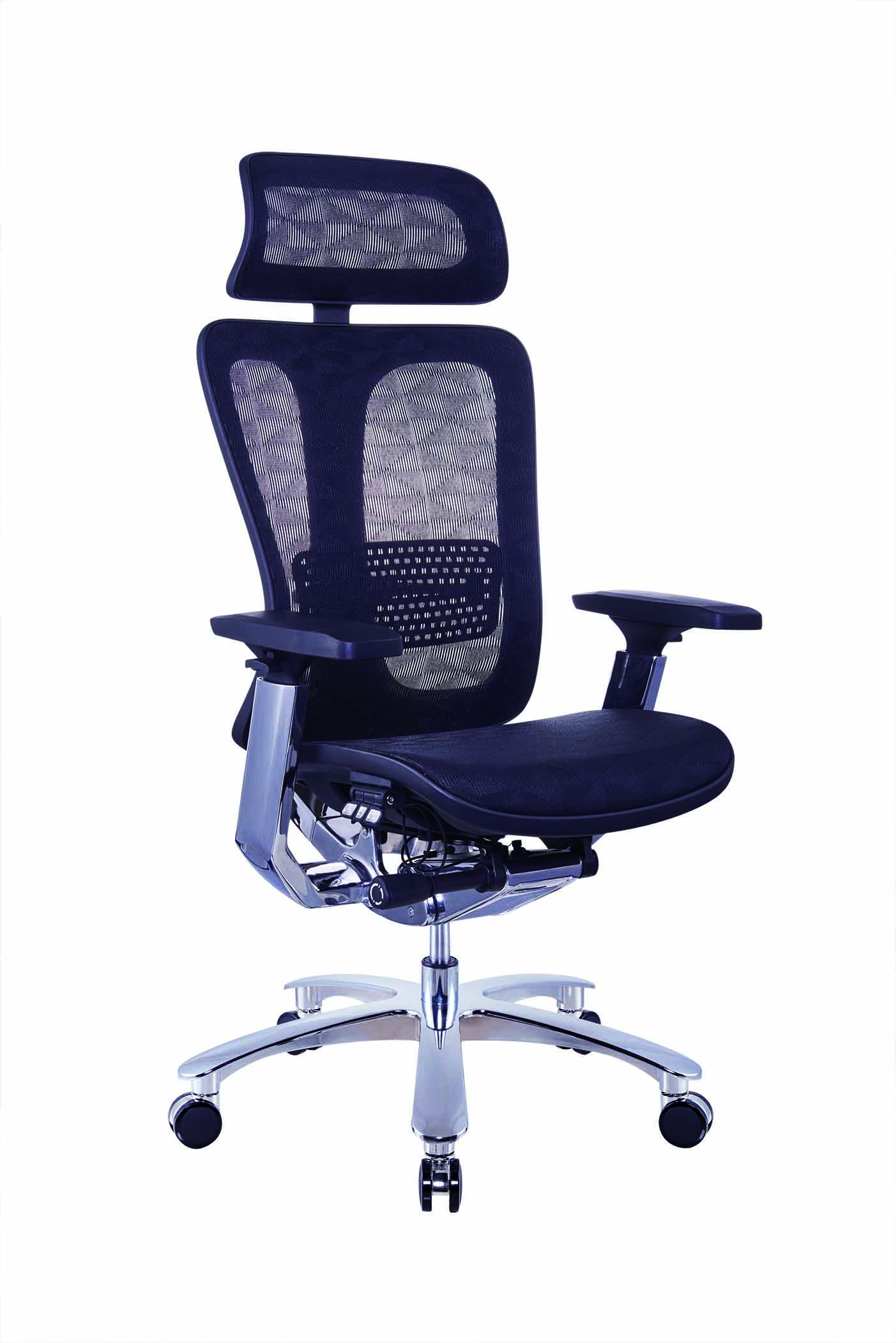
If your current office chair has you counting down the minutes until you can stand up, it’s time to meet the ODM Executive Office Chair. This isn’t just another piece of furniture—it’s a rethink of what sitting for eight hours should feel like. From its responsive lumbar support to the way it lets your spine move naturally, every detail is built around real comfort and true ergonomics. In this guide, we’ll walk through what makes the ODM chair different, who it’s for, and how to set it up for your own body. And if you’re curious about the brand behind the design, OFCJNS has the full story.
Sitting Past the First Hour: Where Most Executive Chairs Start to Fail
Most people pick an executive chair based on looks, material, and adjustable features, but the real test happens somewhere between minute 45 and 60. For the first half hour, almost any mid-range chair feels fine because your body still holds an alert, upright posture. Once your focus shifts fully to work, back muscles relax, you slide down slightly, and hidden flaws surface: the seat edge digging into your thighs, the backrest failing to follow your lumbar curve, armrests forcing your shoulders up. This is the moment many chairs quietly give up, and users blame their own sitting habits instead of the chair's design limits.
Design engineers often compress testing sessions to twenty or thirty minutes, far shorter than real office use. A more subtle problem is that high-density foam seats develop micro-collapse after an hour of continuous pressure. Even after you stand up and sit back down, the rebound gets slower. Lumbar supports that are just fixed bumps without posture-responsive adjustment turn into hard foreign objects after sixty minutes. The plush, oversized look of executive chairs actually makes pressure concentration worse—your pelvis sinks backward into the soft surface, and the spine's natural S-curve flattens into a C.
To judge whether a chair can survive past the first hour, ignore the marketing claim of eight-hour comfort. Bring your actual work device and sit in the display model while reading a full report or writing a long email. Don't force yourself to sit perfectly straight. If by minute fifty you start shifting your weight, resting elbows on the desk, or tucking one foot under the chair leg, that chair's support is already collapsing. A chair that genuinely crosses the one-hour mark won't make you hunt for comfort through constant position changes—it adapts to your small movements instead of forcing you to adapt to its fixed shape.
Matching the ODM's Adjustments to Your Actual Body Shape
Most off-the-rack pieces assume your body follows a clean, predictable line from shoulder to hip. That's rarely how real bodies work. When an ODM says they're matching adjustments to your actual shape, it means they start with your own stance, slope, and proportion quirks instead of forcing you into a generic size block. For example, if one shoulder sits lower or your torso is longer than the standard chart suggests, the pattern shifts accordingly—so the hem doesn't hike up in back or the collar doesn't gap at the neck.
The adjustments go beyond just adding or subtracting width. A skilled ODM will look at how fabric drapes over the fullest part of your chest or hips, then redistribute ease through the side seams, darts, or armholes rather than simply sizing up. That way you avoid the boxy silhouette that comes from a straight grade. The goal is to keep the intended design intact while letting the garment move with you instead of against you.
What makes this different from standard tailoring is that the ODM builds the adjustment into the initial production pattern, not as an after-the-fact fix. That matters for consistency across a full run: every piece, not just the sample, respects the same body map. You still get the factory's efficiency, but the fit reflects how actual bodies bend, sit, and stand throughout the day.
Fabric, Foam, and Frame: What You Feel Without Noticing
Your body registers the chair long before your eyes settle on it. The weave of the fabric catches on the weave of your clothes, a subtle friction that either invites you to stay or nudges you to shift. It is not the pattern you remember later, but the temperature it holds—cool linen that warms within minutes, tight polyester that never quite breathes. Those first seconds of contact tell you more about a seat than any showroom glance.
Beneath that surface, the foam does its quiet work. Not all softness is the same: some foam gives way immediately, collapsing under weight until you feel the hard truth of the frame; others push back gradually, molding around shoulders and hips like a patient palm. The best cushioning disappears, leaving you aware only of ease. The worst makes you conscious of every minute, shifting to find a position that never quite arrives.
And then there is the frame—unseen, unheard, but always present. It sets the rhythm of your sitting, dictating where your knees bend and how your spine rests. A slight angle change at the lumbar can mean the difference between a two-hour focus and a two-minute fidget. We rarely praise a chair for its bones, yet they are what hold the foam in place, what keep the fabric taut, what quietly decide whether you notice the chair at all.
The Small Ergonomic Decisions That Quietly Stop Back Pain
Most people don't connect their desk setup to the dull ache that appears around 3 p.m. But small choices—like lowering a chair so feet actually rest flat, or moving a monitor an inch higher—do more than expensive lumbar cushions ever could. The body reads these tiny shifts as permission to stop gripping and bracing. Muscles that were working overtime just to keep you upright finally get a break, and pain that seemed random starts making sense.
One overlooked habit is the way you reach for a mouse or phone. Repeating a slight twist or reach dozens of times a day trains your spine into a lopsided pattern. Swapping to a keyboard without a number pad so the mouse sits closer, or keeping a frequently used notebook on the opposite side so you have to stand and turn, sounds trivial. But over weeks, that subtle rebalancing prevents the kind of silent overuse that later shows up as stiffness between the shoulder blades.
Posture advice often fails because it asks for constant vigilance. Better to change the environment than to fight your own fatigue. A rolled-up towel at the base of the spine, a footrest made from a ream of paper, a timer that nudges you to stand before your back starts complaining—each step is forgettable on its own. Together they add up to a workspace that quietly corrects you rather than demanding willpower. That is where real, lasting relief begins.
Why the Same Chair Feels Different for Tall, Short, and Heavy Users
A chair is never just a chair once you look at the body sitting in it. The same model can feel like a throne to someone short, a stool to someone tall, and a hammock to someone heavy—because the chair’s fixed dimensions interact with your own lever lengths, joint angles, and mass distribution. Two people can sit in the same seat and experience completely different pressure maps, lumbar contact, and leg support.
Take seat height and depth. For a tall person, a seat pan that stops mid-thigh leaves the knees doing extra work, and a low seat forces the hips below the knees, which can strain the lower back. For a shorter person, that same seat might press into the back of the calves, cutting circulation and encouraging slouching just to reach the floor. A heavier user compresses the foam more, effectively lowering the seat height and changing the front edge angle, which can make the chair feel softer but less supportive over time.
Cushion firmness, backrest curve, and armrest position all shift under real load. A backrest that hits a tall user at the sacrum instead of the lumbar spine offers almost no support, while the same curve might dig into a short user’s shoulder blades. Armrests set too high push shoulders upward for tall people; set too low, they tempt shorter users to lean sideways. The chair hasn’t changed—but the body reading it has, and that mismatch is what you actually feel.
Movement, Breaks, and Posture Habits That Extend Comfort
Sitting still for hours isn't just uncomfortable—it quietly trains your body into stiffness. Small shifts matter more than a perfect chair. Every 20 to 30 minutes, stand up, roll your shoulders, or walk to the window. These micro-breaks keep blood moving and reset muscle tension before it settles in.
Posture isn't about holding a rigid spine. It's about changing positions often. Lean back for a while, then perch upright, then stand. If you work at a desk, try alternating between seated and standing tasks. Let your elbows rest close to your sides and keep your screen at eye level, but don't obsess over a single "correct" angle.
Movement snacks—like a slow neck circle or a few calf raises—can extend comfort far more than expensive ergonomic gear. Build them into your day at natural transition points: after a call, before lunch, or when you finish a task. The goal is not to fix your posture once, but to keep giving your body new positions so no single set of joints gets overworked.
FAQ
It distributes your weight through a contoured seat pan and adjustable lumbar pad rather than forcing a single upright posture. Many chairs fight your spine; this one follows it, so the pressure shifts from your lower back to your sit bones and feet.
Start with the pad flat against the chair back, then increase the depth one click at a time while sitting. Stop when you feel gentle contact across your lower back, not a push. If your shoulders roll forward, you've gone too far.
Yes, but only if you raise it high enough to meet the base of your skull, not your neck. Tall users should set it so the cushion touches the occipital area when they recline slightly; otherwise it pushes the head forward and strains the neck.
The cylinder adjusts to fit users from roughly 5'2" to 6'5" when paired with a desk at standard height. Proper height lets your knees drop slightly below your hips and keeps your feet flat, which reduces sciatic pressure.
The armrests attach via a standard bracket, so you can replace them with aftermarket options like flip-up or extra-wide pads. Just check the bolt spacing before ordering; a 10-minute swap gives you more elbow room for drawing or writing.
It uses a multi-angle lock that lets you stop at several points instead of just upright or fully open. When unlocked, the synchronized tilt keeps your feet grounded while the seat angle opens slightly, so you can rock without losing support.
Every few months, wipe the gas lift and tilt spring with a dry cloth, then apply a small amount of silicone spray to the tension knob threads. Avoid oil on the mesh; it attracts dust and makes the fabric look worn.
Conclusion
Most executive chairs feel decent for the first thirty minutes, then quietly turn against your lower back. The ODM Executive Office Chair takes a different path because it treats comfort as something you have to earn past hour one, not just promise in a showroom. The real difference shows up when you stop adjusting it like a generic office chair and start matching the seat depth, lumbar position, and armrest height to your own frame. Tall users need more thigh clearance, shorter users need a shallower seat pan, and heavier builds need foam that rebounds instead of flattening after a few weeks. These are the details most people overlook until a nagging ache forces them to pay attention.
Beyond the adjustments, the materials do a lot of quiet work. The fabric breathes enough to keep you from sticking to the seat during long afternoons, the foam density holds up without turning rock-hard, and the frame stays stable when you lean back or shift weight. None of that feels dramatic, but it’s exactly what prevents the slow creep of back strain. Even so, no chair is a magic fix. Pairing the ODM with small habits—standing up between calls, resetting your posture after long stretches, occasionally tilting the recline—keeps comfort from fading at hour three or four. The same chair will never feel identical for every body, which is why the guide keeps circling back to fit and movement rather than just padding and price.
Contact Us
Contact Person: Diff Wang
Email: [email protected]
Tel/WhatsApp: +8613650281199
Website: https://www.ofcmeshchair.com/